Commercial Metal Roofing for Bay Area Buildings
Metal roofing is built for properties where durability, weather protection, and long-term performance matter.
Metal Building Company has installed millions of square feet of metal roofing since 1976. We work on commercial, industrial, warehouse, manufacturing, agricultural, and other buildings throughout the San Francisco Bay Area and surrounding Northern California communities.
Guiding You To The Best Metal Roof
A good metal roof starts with more than choosing a panel. Roof slope, building design, panel profile, attachment system, gauge, finish, drainage, insulation, penetrations, and local exposure all affect how the finished roof performs.
Our job is to help you put those pieces together and build a roofing system that fits the building.
Metal Roofing Systems for Commercial Buildings
There is no single type of metal roofing that works best for every project.
Some buildings need a high-performance concealed-fastener system designed for long-term service. Others need an economical exposed-fastener panel that provides reliable protection without adding unnecessary cost.
Metal Building Company works with a range of commercial metal roofing systems and helps owners, contractors, architects, and property managers determine which approach makes sense for the project.
Find out the benefits of choosing metal roofing over shingles.
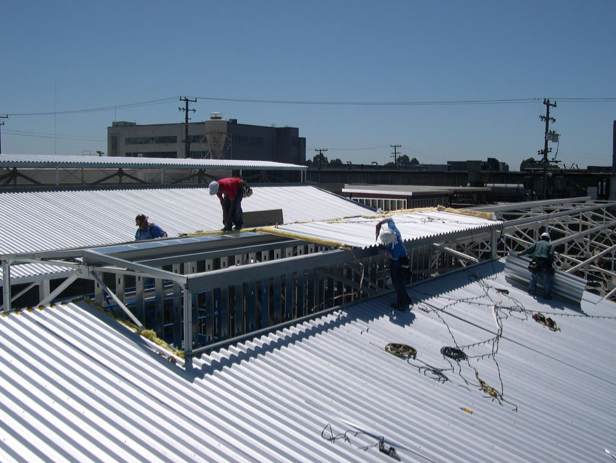
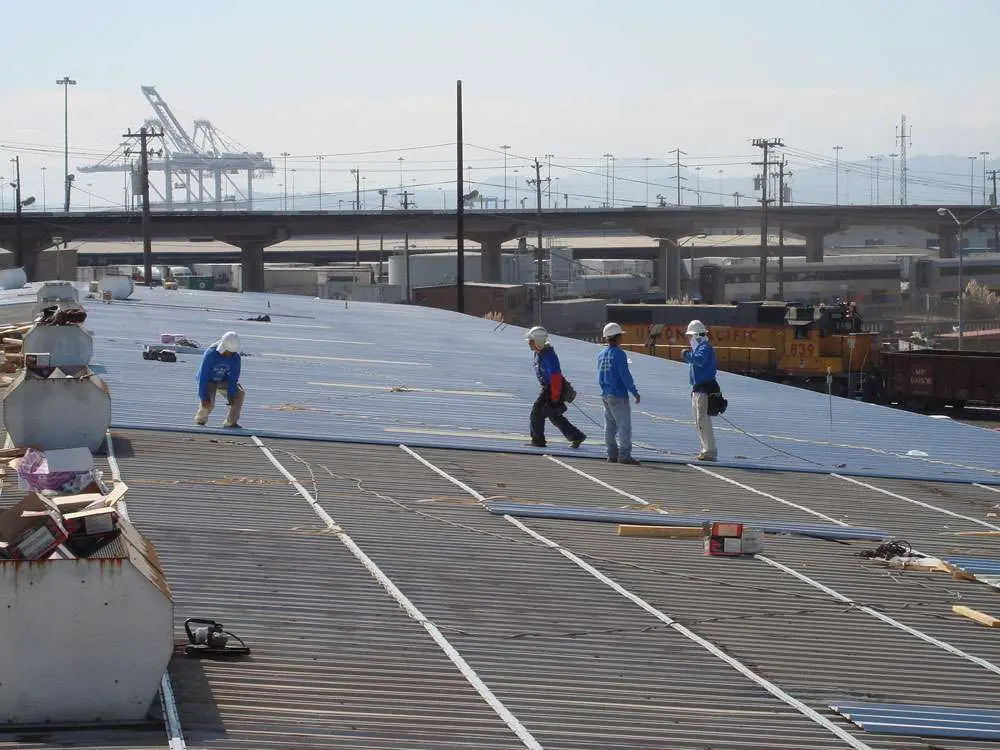
Standing Seam Metal Roofing
Standing seam roofing uses long metal panels connected at raised seams. The primary fasteners are concealed beneath the roof surface rather than driven through the face of the panel.
This creates a clean appearance while allowing the panels to accommodate normal expansion and contraction as temperatures change.
Standing seam is frequently specified for commercial projects where long service life, lower maintenance requirements, weather resistance, and appearance are important.
It can be a good fit for:
- Commercial buildings
- Warehouses
- Manufacturing facilities
- Offices
- Retail properties
- Institutional buildings
- Architectural metal roof applications
The exact panel system depends on roof slope, span, structural requirements, exposure, and the design of the building.
Exposed-Fastener Metal Roofing
Exposed-fastener systems attach the roofing panels directly to the supporting structure with fasteners installed through the panel face.
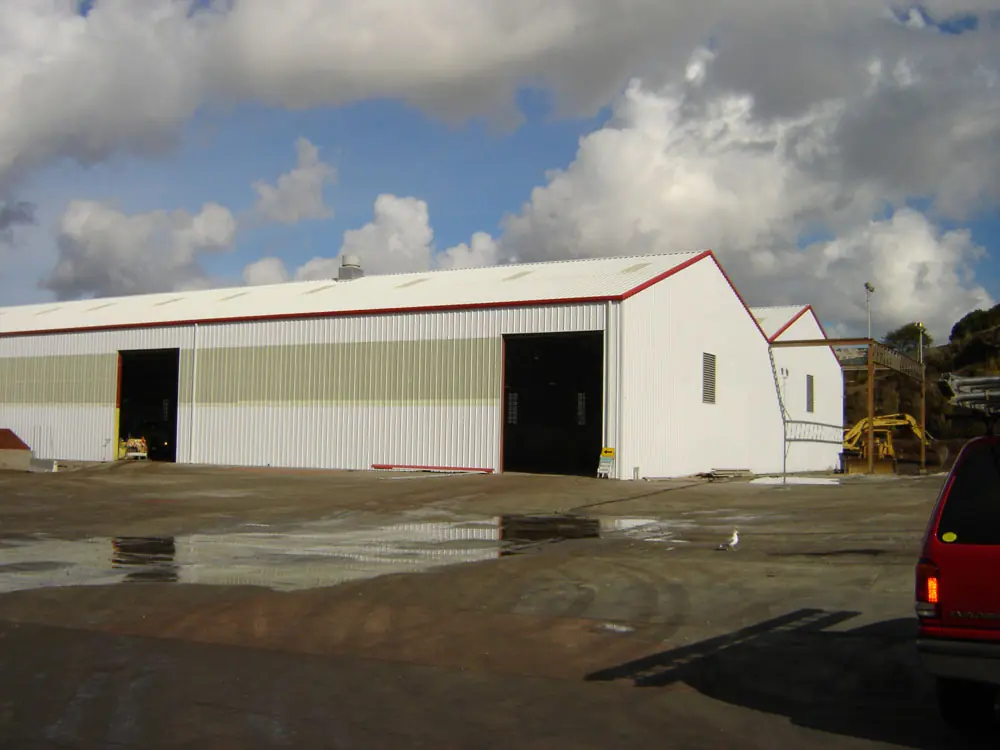
These systems are straightforward, economical, and widely used on metal buildings, warehouses, shops, industrial facilities, storage buildings, and utility structures.
They can be an excellent choice when the project calls for a durable metal roof without the additional cost of a concealed-fastener system.
Proper panel selection and installation are important. Panel layout, fastener placement, flashing, transitions, penetrations, and drainage all affect long-term performance.
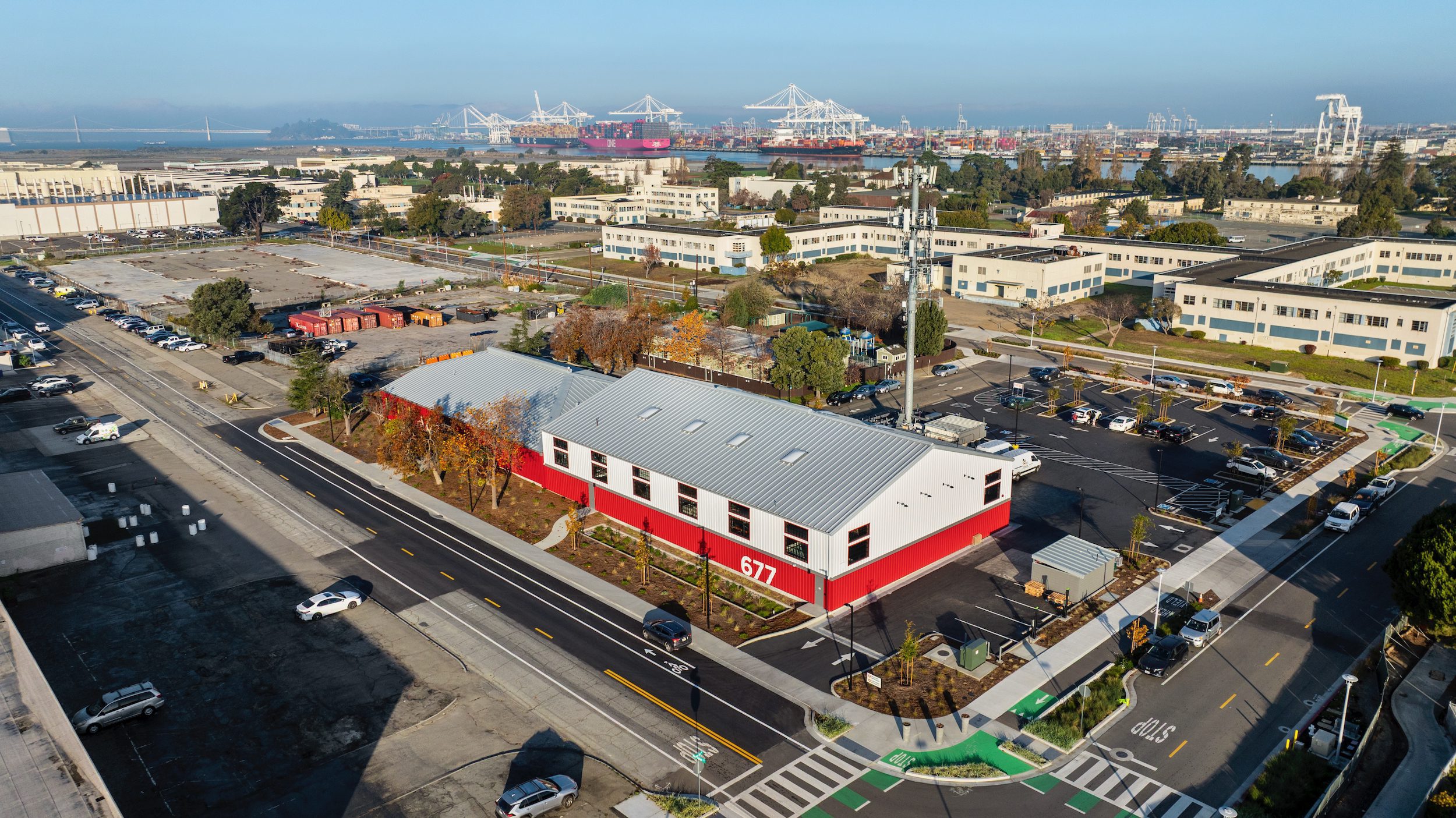
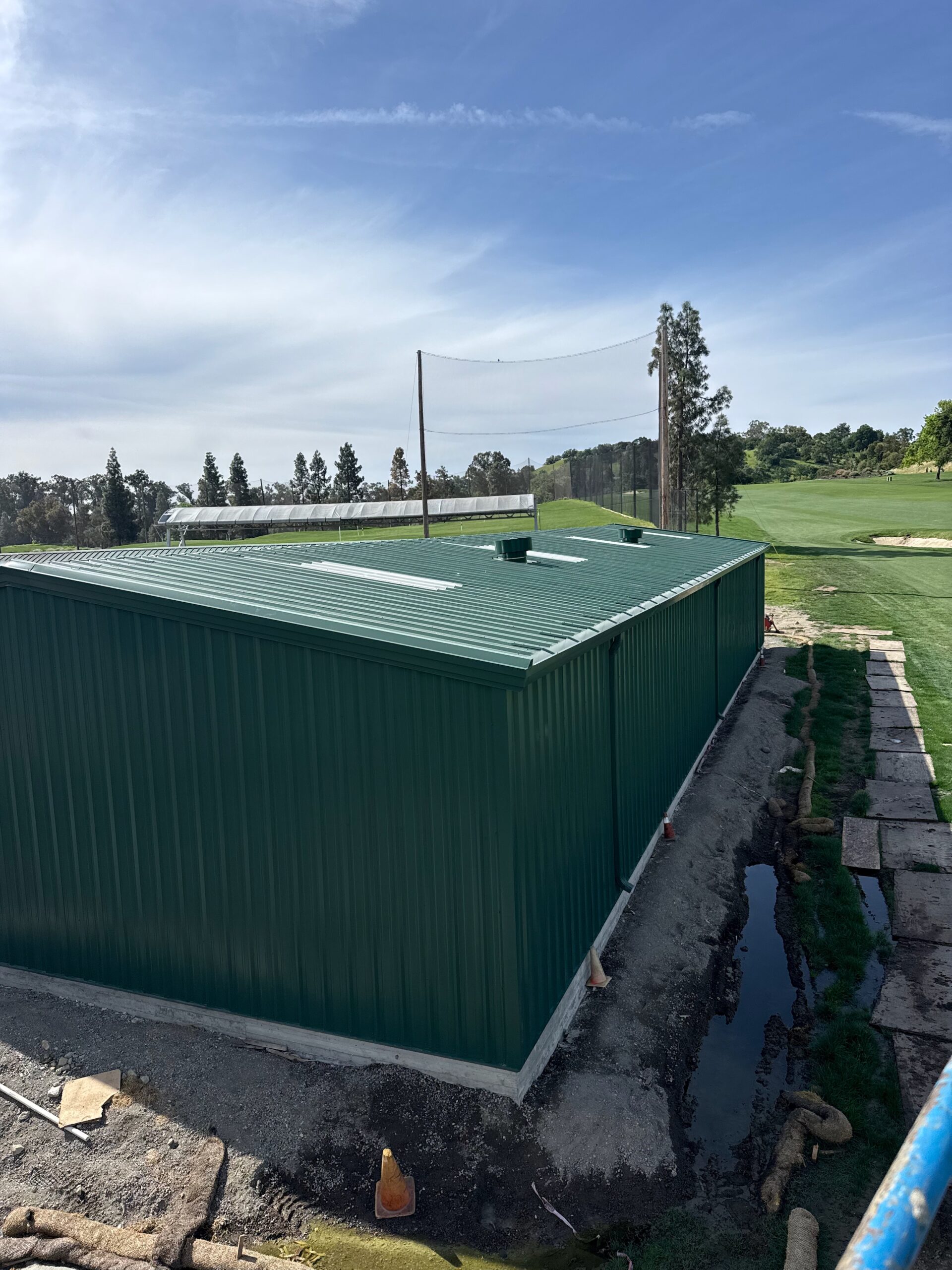
Corrugated and Ribbed Metal Roofing
Corrugations and ribs give relatively thin sheets of steel additional stiffness and strength without adding unnecessary weight.
That combination has made corrugated and ribbed metal roofing common on commercial and industrial buildings for decades.
Different profiles provide different appearances, spanning capabilities, coverage widths, and attachment methods. We help match the panel profile to the building rather than assuming one style is appropriate for every roof. Read more about metal roof panel widths here.

Why Metal Roofing Works So Well on Commercial Buildings
Commercial roofs have a different job than residential.
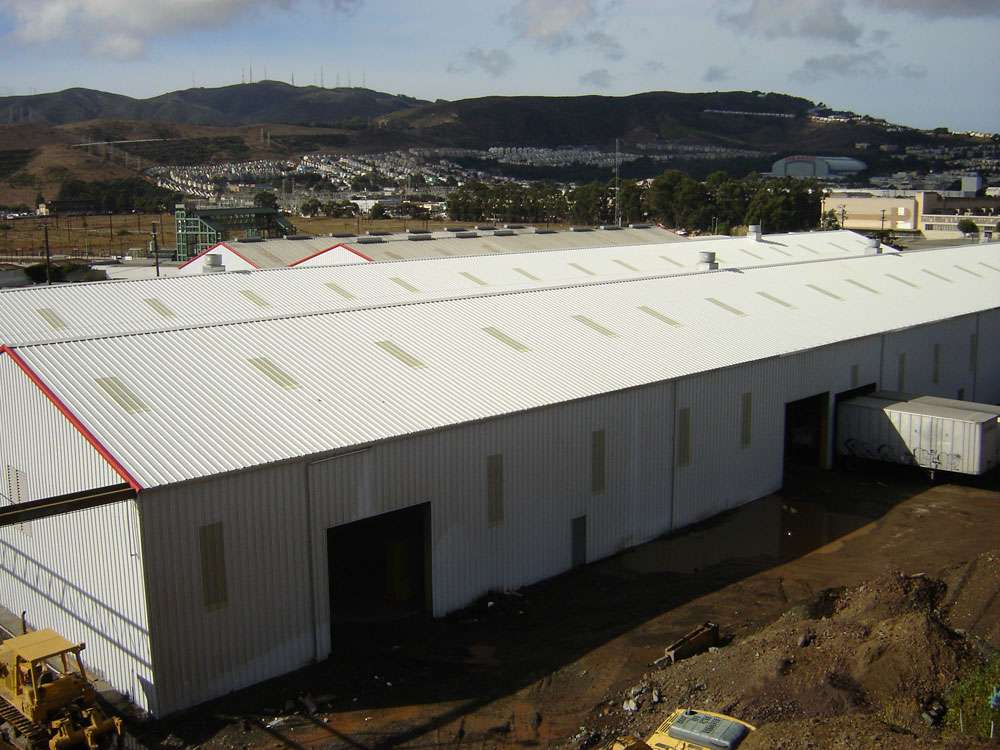
A warehouse roof may cover tens of thousands of square feet of inventory. A manufacturing facility may have equipment, vents, curbs, skylights, exhaust systems, and other roof penetrations. A business may also need the building to remain operational while roofing work is underway.
Metal is well suited to these conditions because it combines strength with relatively low weight and can be configured for many different building types.
Long Service Life
A properly specified and installed metal roofing system can remain in service for decades.
The actual lifespan depends on the roof system, material, coating, environment, installation quality, maintenance, and exposure. Rather than assigning the same lifespan to every metal roof, we look at how the complete assembly is designed and where it will be installed.
Low Weight
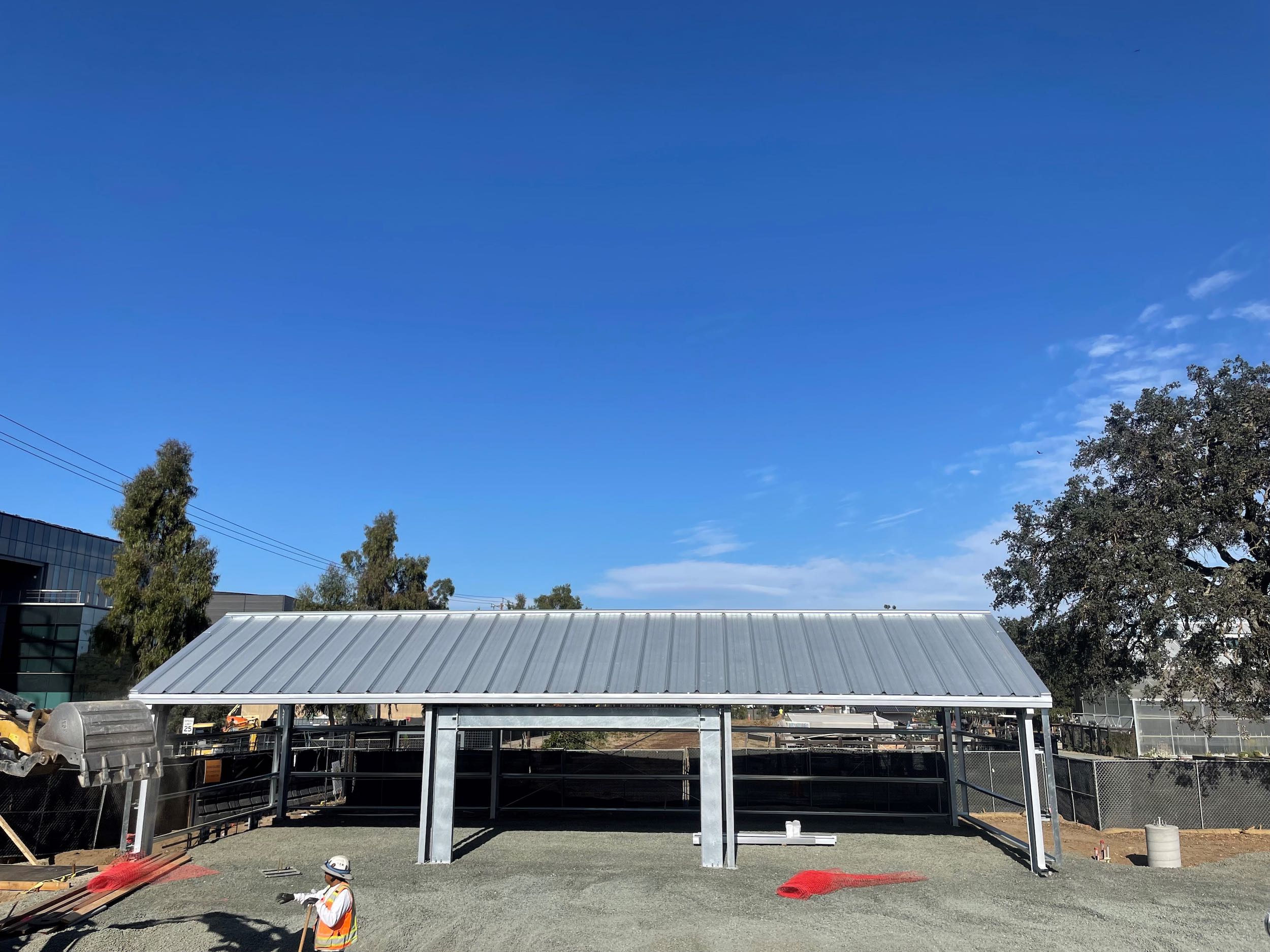
Metal roofing provides substantial strength without placing the same dead load on a structure as many heavier roofing materials.
That can be particularly useful on commercial and pre-engineered metal buildings where the roofing system needs to work with the structure beneath it.
Fire Resistance
Steel roofing is noncombustible, making it a practical roofing material for many commercial and industrial properties.
The performance of the complete roof assembly still depends on the other materials used in the system, but the metal roof surface itself does not provide fuel for a fire.
Energy Performance
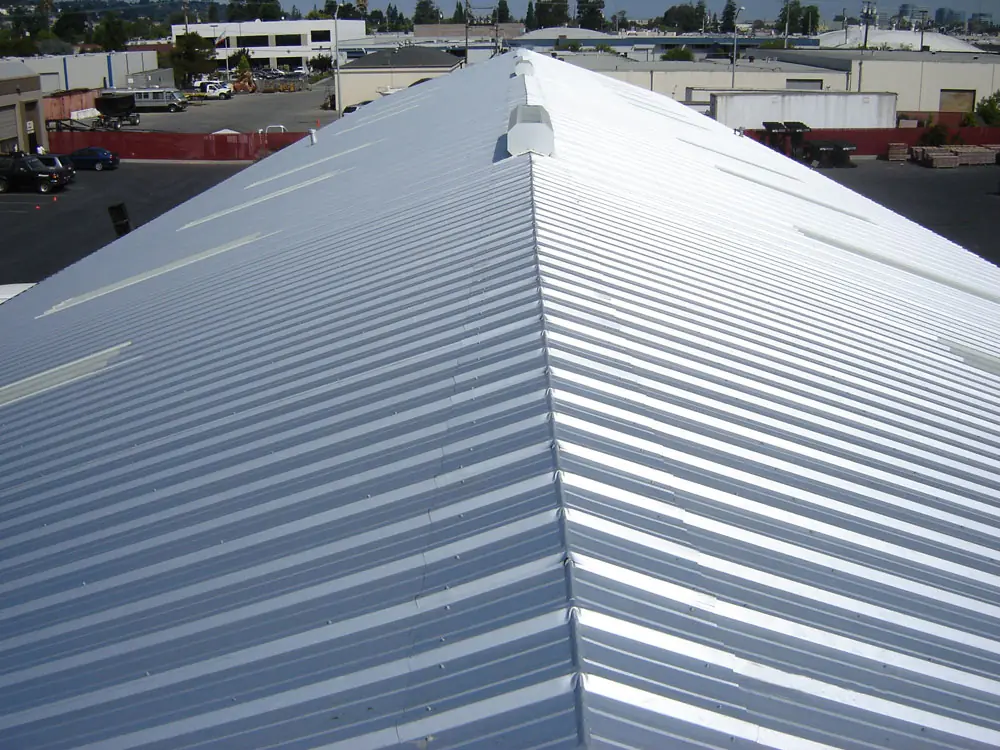
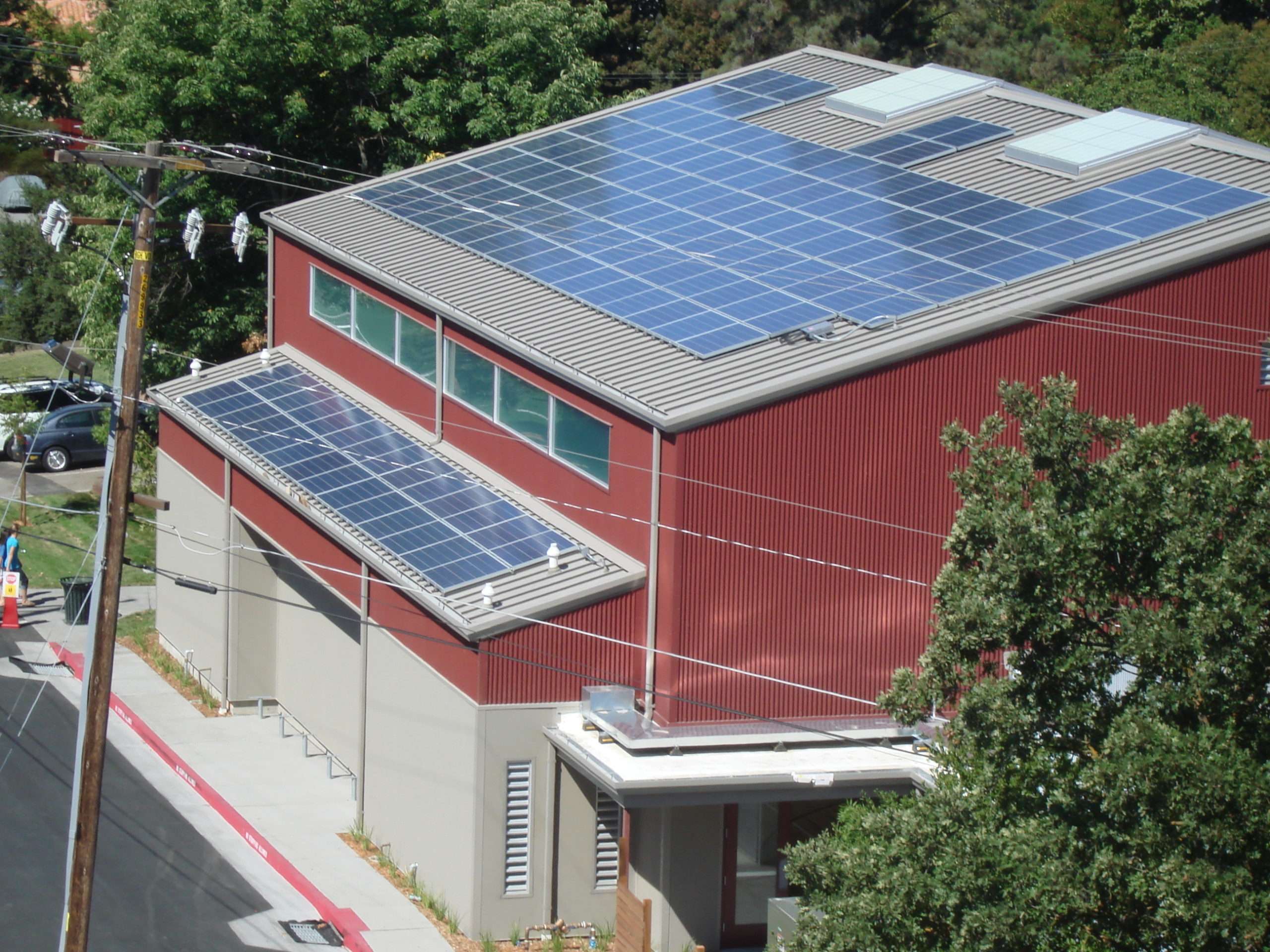
Metal roofs are available with reflective finishes and coatings that can reduce the amount of solar heat absorbed by the roof surface.
For some buildings, roof color, coating, insulation, ventilation, and the complete roof assembly can play an important role in meeting energy and comfort goals.
Ability to Be Recycled
Steel and aluminum are recyclable materials. Metal roofing can also contain recycled material before it ever reaches the job site.
For owners looking at the full life cycle of a building material, that is one of the advantages metal provides over many alternatives.
Choosing the Right Metal Roofing System
The words “metal roof” describe a category, not a specification.
Two buildings can both have them while using completely different panels, attachment methods, gauges, coatings, insulation systems, and details.
Before recommending a system, we look at the building itself.
Roof Slope
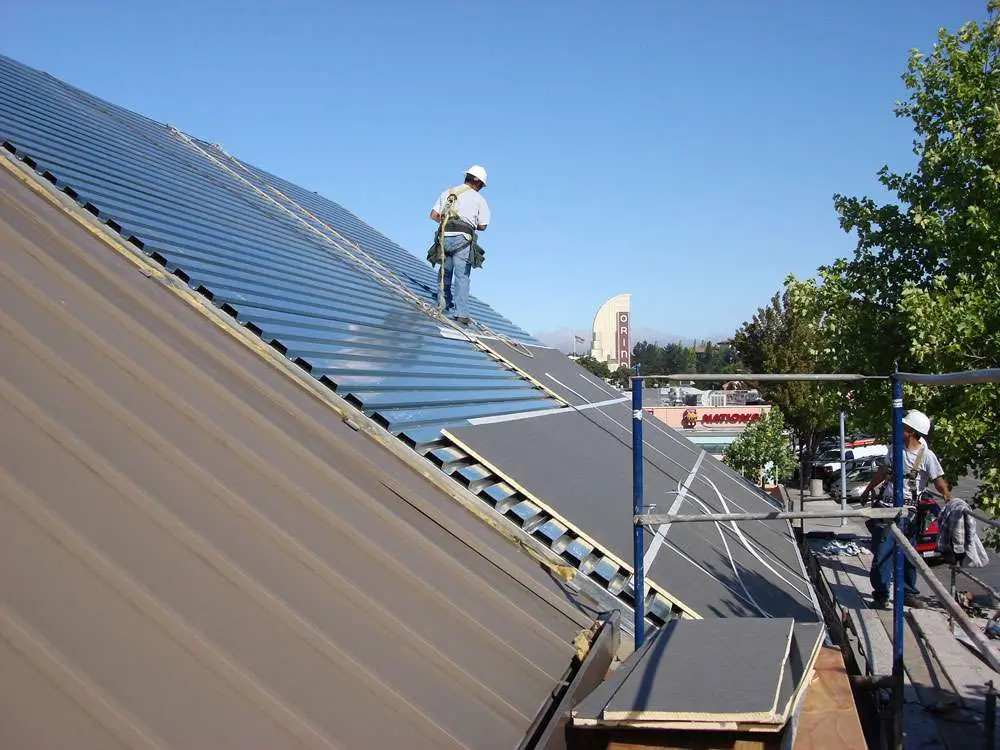
Roof slope affects how quickly water moves from the roof and which panel systems are appropriate.
Some systems are better suited to lower slopes, while others are intended for steeper roof configurations. The roof geometry should be considered before selecting a panel based on price or appearance.
Panel Profile
Standing seam, corrugated, ribbed, and other commercial panel profiles each have different characteristics.
The right choice depends on the building, architectural requirements, span, roof slope, attachment method, budget, and expected service life.
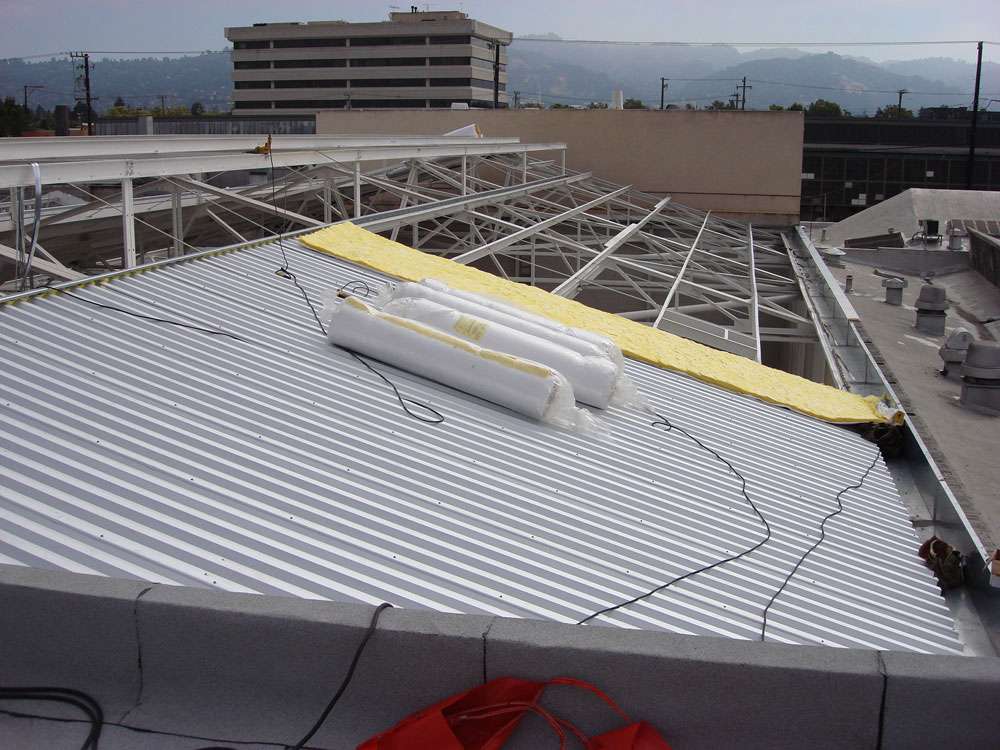
Gauge and Structural Requirements
Metal roofing is available in different thicknesses.
Heavier is not automatically better. The correct gauge should be selected based on the panel system, engineering requirements, spans, loading conditions, and project specifications.
Coatings and Finishes
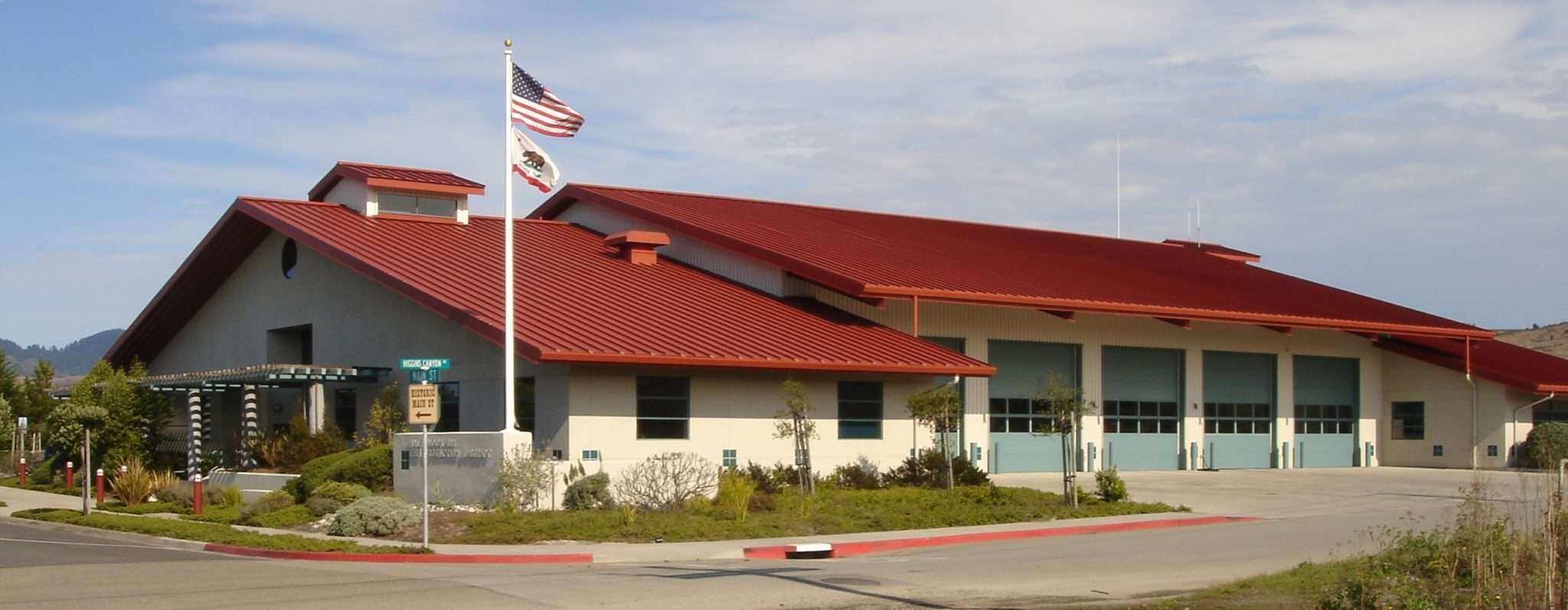
The finish protects the steel underneath while also determining the color and appearance of the roof.
Location matters here. A roof near the Bay can face different environmental exposure than one installed farther inland in Sacramento or the Central Valley.
We consider the building location and application when helping select materials and finishes.
Drainage
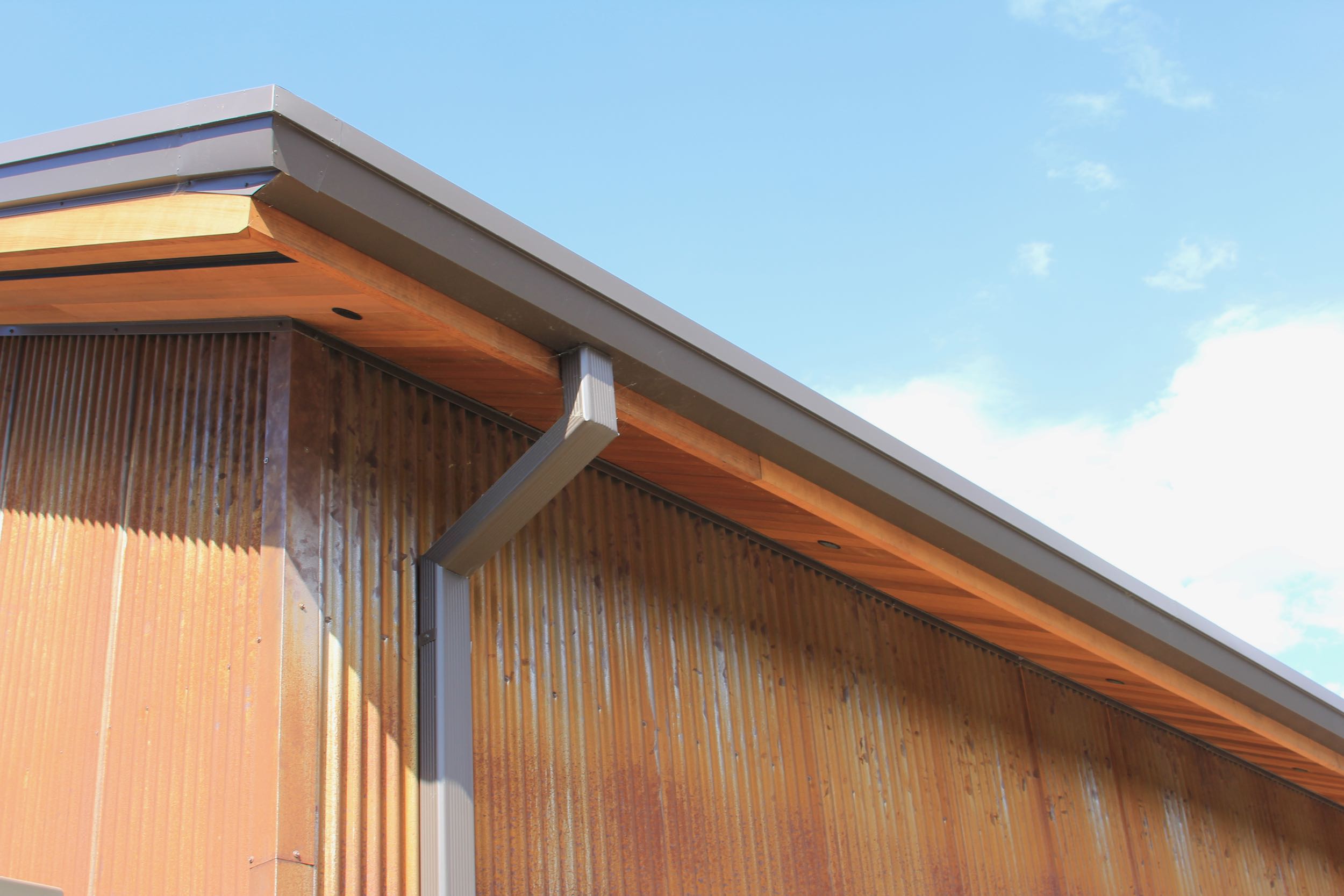
Water needs a clear path off the roof.
Roof slope, gutters, downspouts, valleys, transitions, curbs, and other details all affect drainage. These components should be considered as part of the roofing system rather than treated as an afterthought.
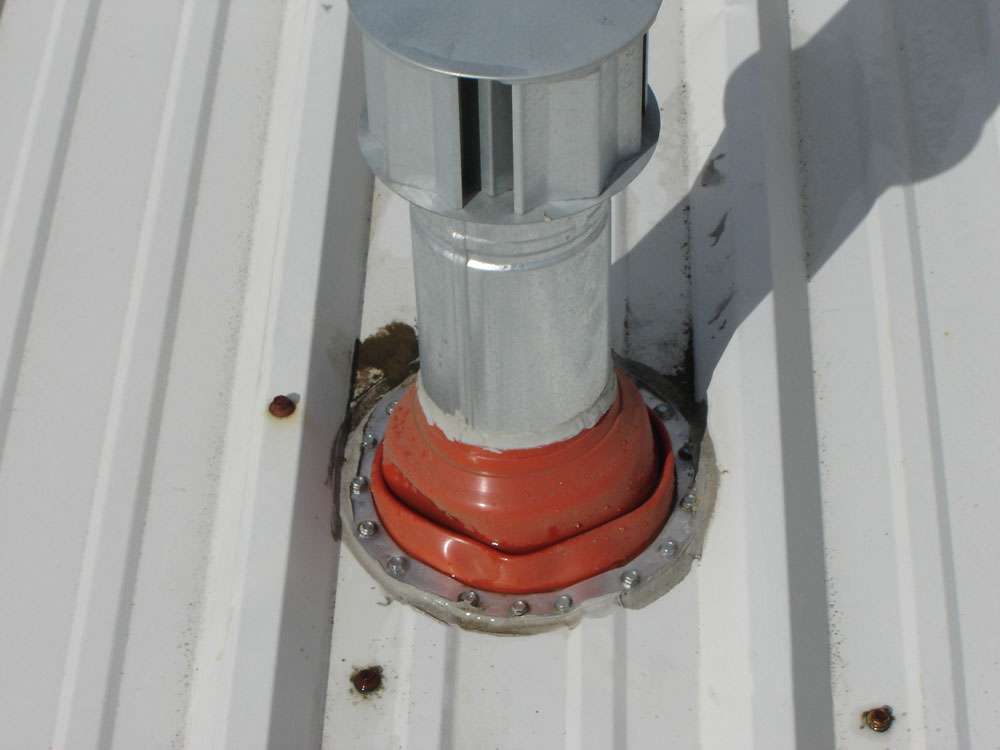
Roof Penetrations and Accessories
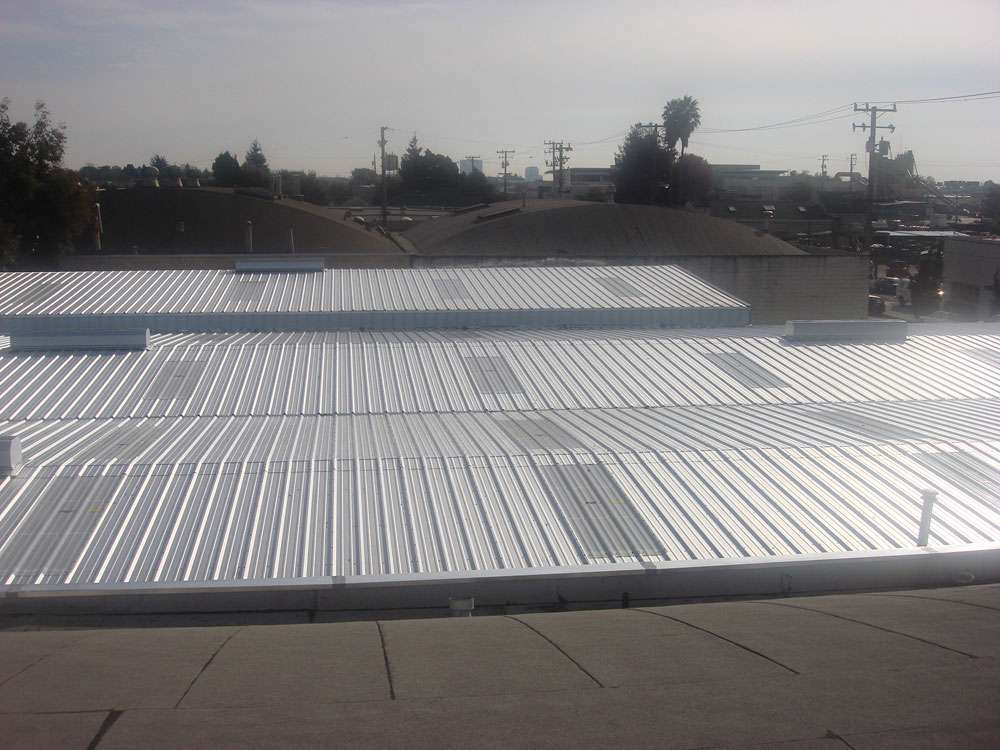
Commercial roofs rarely consist of uninterrupted panels.
Projects may include:
- Skylights
- Vents
- Louvers
- Exhaust equipment
- Pipes
- Curbs
- Gutters
- Downspouts
- Ridge vents
- Wall transitions
- Other roof-mounted equipment
These areas require careful detailing because the roof must continue to manage water while accommodating components that interrupt the panel system.
Metal Building Company works with the complete metal building envelope, which gives us a practical understanding of how the roof connects with these other components.
Metal Roofing for New Construction
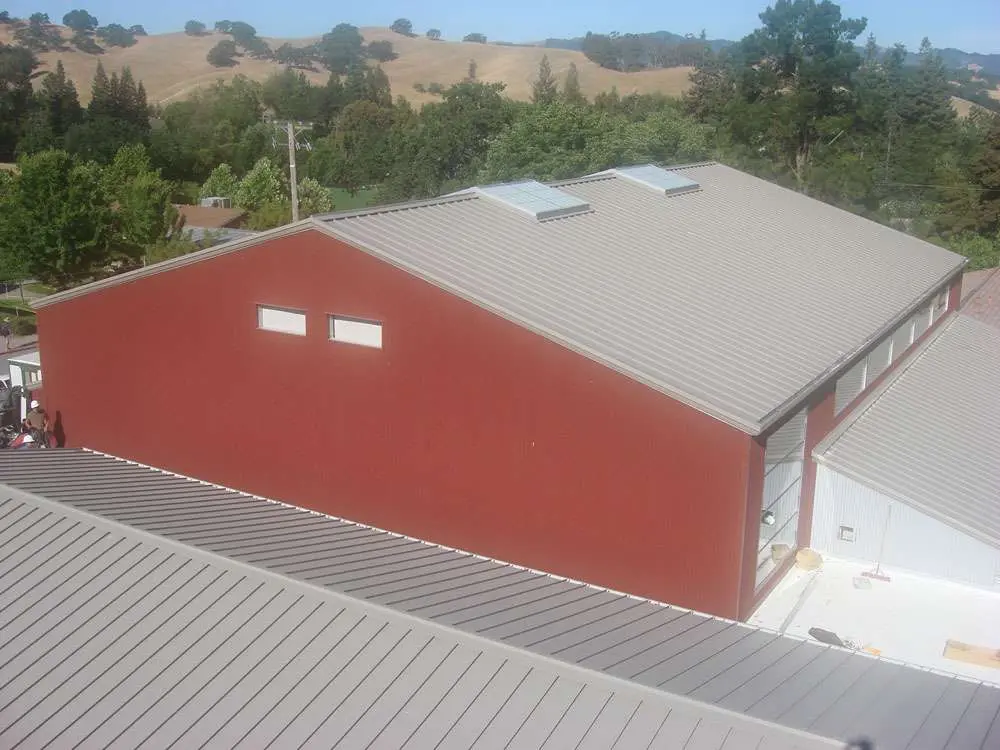
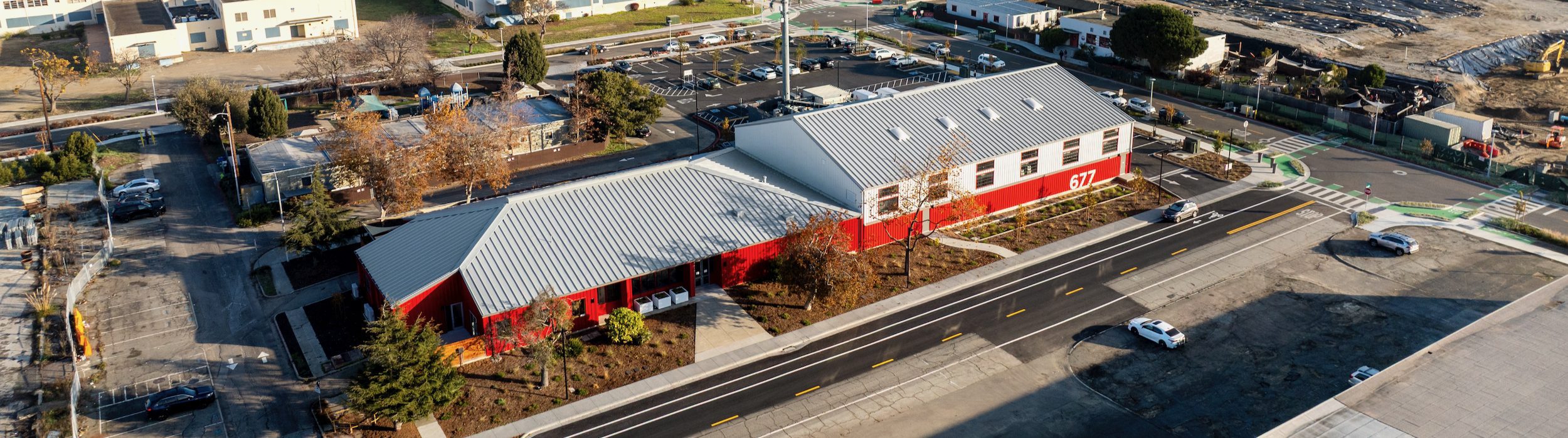
Metal roofing is a natural fit for new commercial and pre-engineered metal buildings.
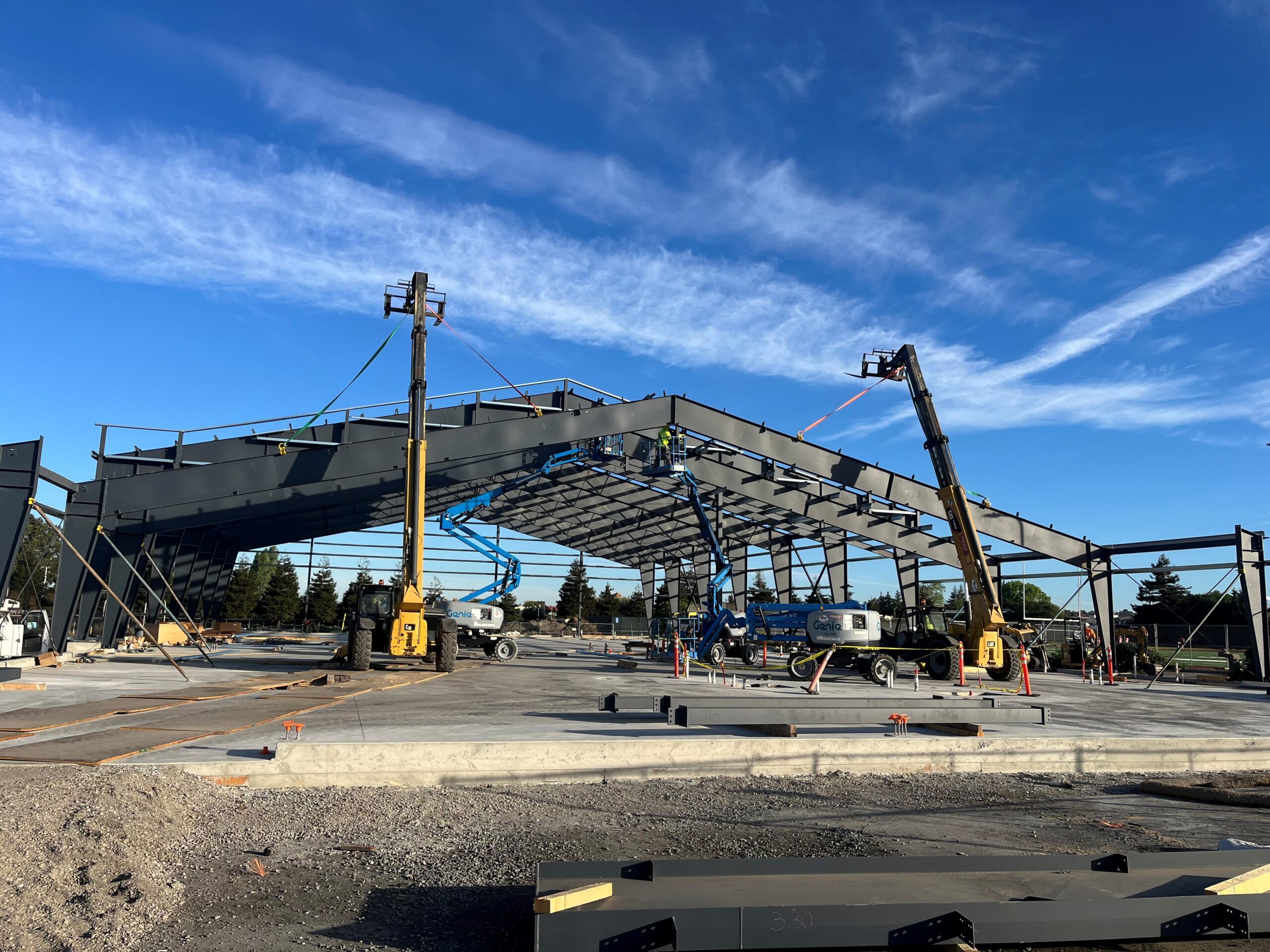
Designing the building and roof together allows the structural system, roof panels, insulation, drainage, accessories, and penetrations to be coordinated before construction starts.
We work with general contractors, developers, architects, property owners, and other project stakeholders to help move the metal roofing portion of the project from planning through installation.
For projects that require an experienced installation company, learn more about metal roofing contractors.
Metal Roofing for Existing Commercial Buildings
An existing commercial building can also be a good candidate for a new metal roofing system.
The first step is understanding what is already there.
Roof condition, structure, drainage, existing materials, penetrations, insulation, and previous modifications can all affect the available options. Depending on the building, the project may involve replacing an aging metal roof or installing a new system as part of a larger building improvement.
If you are specifically trying to determine whether an older roof should be replaced, see our metal roof replacement guide.
If the existing roof is leaking or damaged and may still be repairable, visit our metal roof repair section instead. For further reading, visit our storm and wind damage page.
Metal Roofing for Bay Area and Northern California Conditions
Northern California puts roofing materials through very different environments within a relatively small geographic area.
Buildings near the Bay may deal with marine air and persistent moisture. Inland buildings experience hotter summer temperatures and stronger daily temperature swings. Commercial properties throughout the region also need to handle seasonal rain, wind, sun exposure, and the normal movement that occurs in large metal roof assemblies.
There is no reason to treat every project as if it were being built in the same conditions.
We consider location, exposure, roof design, building use, and project requirements when recommending a metal roofing system.
Metal Building Company serves projects throughout:
- Oakland and the East Bay
- San Francisco
- San Jose and the South Bay
- The Peninsula
- North Bay communities
- Sacramento
- Stockton
- The Central Valley
- Surrounding Northern California areas
Experience With the Entire Metal Building
One advantage of working with Metal Building Company is that roofing is not the only part of a metal building we understand.
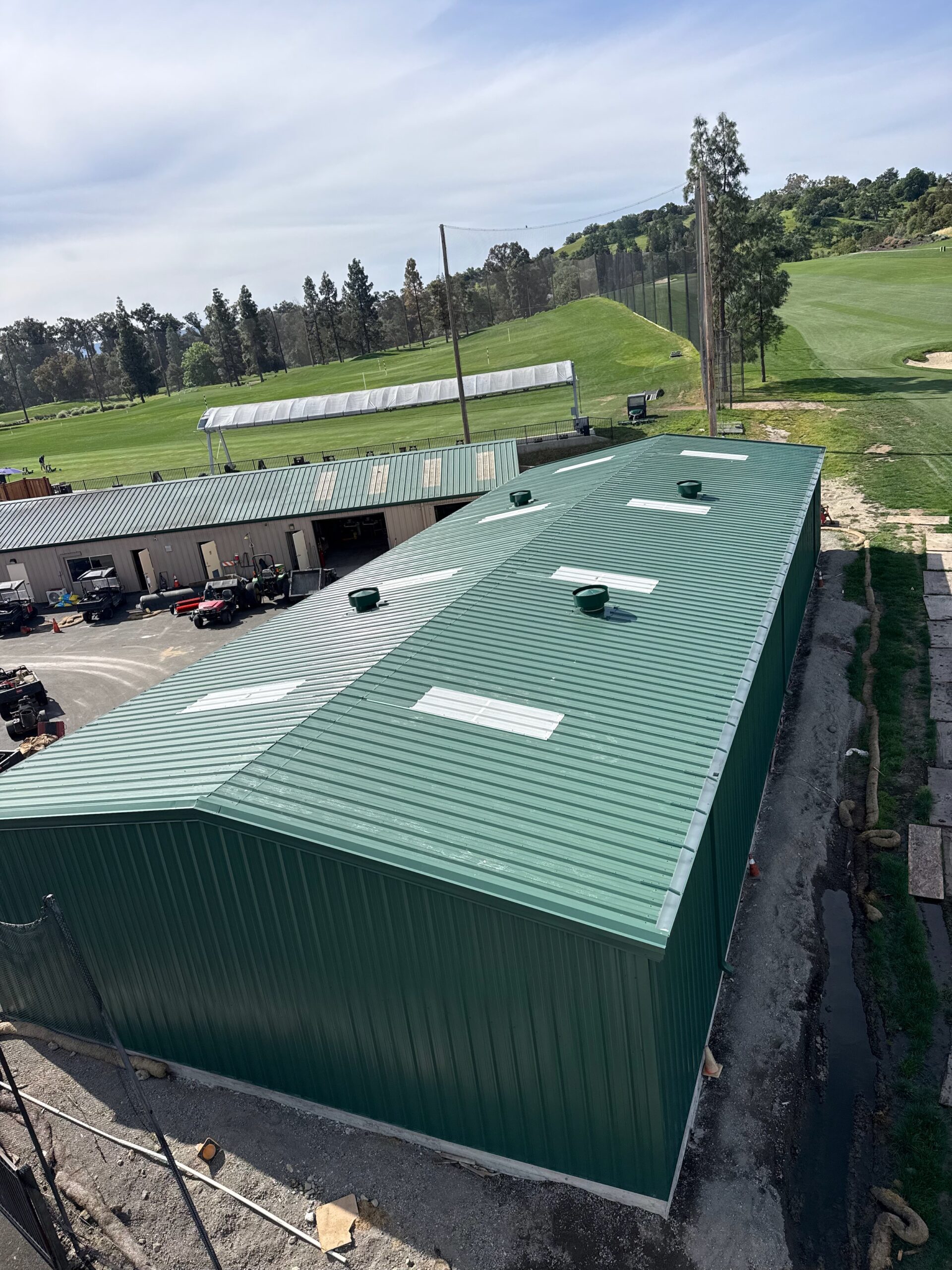
Our work includes metal buildings, structural components, wall panels, roofing, gutters, downspouts, skylights, vents, louvers, trim, and related systems.
That matters because a commercial roof does not function independently of the building beneath it.
A roof transition may connect to a wall panel. A gutter has to work with the roof edge and drainage plan. A skylight interrupts the panel system. Roof loads ultimately transfer into the structure.
Understanding those connections helps us look at the roof as part of the building rather than simply a layer of metal panels.
Metal Roofing Experience Since 1976
Metal Building Company has been working on metal buildings and metal roofing in Northern California since 1976.
During that time, we have installed millions of square feet of roofing on projects ranging from straightforward commercial buildings to larger and more complex facilities.
That experience has also exposed our team to different manufacturers, panel profiles, building systems, roof configurations, and generations of metal building construction.
We bring that history to new projects without assuming that what worked on one building is automatically right for the next one.
Planning a Metal Roofing Project?
Start with the building, not the brochure.
Tell us what you are building, replacing, or trying to accomplish. We can look at the project requirements and help determine which metal roofing system makes sense.
Metal Building Company provides commercial metal roofing services throughout the San Francisco Bay Area, Sacramento, Stockton, the Central Valley, and surrounding Northern California communities.
Call 510-635-0111 or contact us to discuss your project and request an estimate.
Metal Roofing FAQs
What is metal roofing?
Metal roofing is a roof system made from metal panels or sheets that are attached to the building structure or roof deck. Commercial systems include standing seam, corrugated, ribbed, and exposed-fastener panels. The panel profile, attachment method, material, finish, and supporting assembly vary by project.
What type of metal roofing is best for a commercial building?
There is no single system that is best for every commercial property. Standing seam may make sense when long-term performance and concealed fasteners are priorities. Exposed-fastener or ribbed systems can be a better value for warehouses, shops, utility structures, and other practical applications. Roof slope, building type, exposure, budget, and design requirements should drive the decision.
What is the difference between standing seam and exposed-fastener metal roofing?
Standing seam systems conceal most primary fasteners beneath raised panel seams. Exposed-fastener systems attach the panels through the panel face. Both can be effective commercial roofing systems when correctly specified and installed, but they differ in cost, appearance, maintenance requirements, and appropriate applications.
Is corrugated roofing a type of metal roofing?
Yes. Corrugated roofing uses formed ribs or waves to increase the stiffness of the metal panel. Corrugated and other ribbed profiles are commonly used on industrial, agricultural, warehouse, storage, and commercial buildings.
How long does metal roofing last?
Metal roofing is known for long service life, but there is no responsible way to assign one lifespan to every roof. Panel system, coating, material, environment, installation, maintenance, roof slope, drainage, and building conditions all affect longevity.
Is metal roofing good for warehouses and industrial buildings?
Yes. Metal roofing is widely used on warehouses and industrial buildings because it combines strength, relatively low weight, long service life, large panel coverage, and compatibility with metal building construction.
Do you install new metal roofing and replace existing roofs?
Yes. Metal Building Company works on new metal roofing projects as well as existing buildings that need a new roofing system. If an existing roof is damaged rather than ready for replacement, we also have a dedicated metal roof repair team.
What areas does Metal Building Company serve?
We work throughout the San Francisco Bay Area and surrounding Northern California markets, including Oakland, San Francisco, San Jose, the East Bay, South Bay, Peninsula, North Bay, and the neighboring cities.