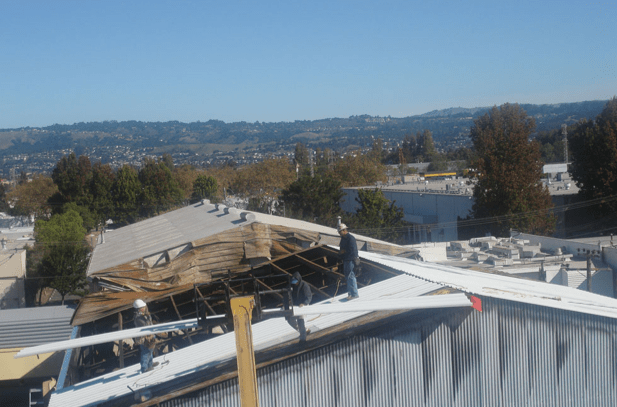
Metal Roof Repair for Bay Area Commercial Buildings
A metal roof can last for decades, but it still needs attention when seams open, fasteners loosen, flashing fails, panels corrode, or water begins entering the building.
Metal Building Company provides metal roof repair for commercial and industrial properties throughout the San Francisco Bay Area. Since 1976, our team has worked on metal roofing systems, structural components, wall panels, gutters, downspouts, skylights, vents, louvers, and other parts of the metal building envelope.
We inspect the roof, identify the likely source of the problem, and explain whether the building needs a focused repair, replacement of damaged sections, a metal panel retrofit, or complete roof replacement.
Call 510-635-0111 to discuss your roof or request a free estimate.
TL;DR: Metal Roof Repair
Metal roof repair can address leaks, loose fasteners, open seams, damaged flashing, failed sealants, rusted panels, drainage problems, and storm damage.
A focused repair may make sense when the damage is limited and the surrounding roof remains in serviceable condition. However, panel replacement, a retrofit system, or full replacement may be worth considering when the damage is widespread or the roof has a history of recurring problems.
The right solution depends on the roof system, source of the problem, extent of the damage, condition of the structure, building use, access, and expected service life of the existing roof.
Signs Your Metal Roof May Need Repair
Some metal roof problems are easy to see. Others remain hidden until water reaches insulation, framing, equipment areas, ceilings, or finished interior spaces.
Schedule an inspection if you notice:
- Water stains on ceilings or walls
- Leaks during heavy or wind-driven rain
- Loose, lifted, or displaced roof panels
- Backed-out or missing fasteners
- Cracked or deteriorated sealing washers
- Open panel seams
- Failed sealant around roof penetrations
- Bent or damaged flashing
- Rust, corrosion, or exposed steel
- Dented, punctured, or torn panels
- Water collecting near gutters or roof transitions
- Damaged skylights, vents, louvers, or pipe penetrations
- Moisture in insulation or concealed building areas
- Repair areas that continue to leak
The location of an interior stain does not always reveal where water entered the roof. Water may travel beneath panels, along framing, or through insulation before becoming visible inside the building.
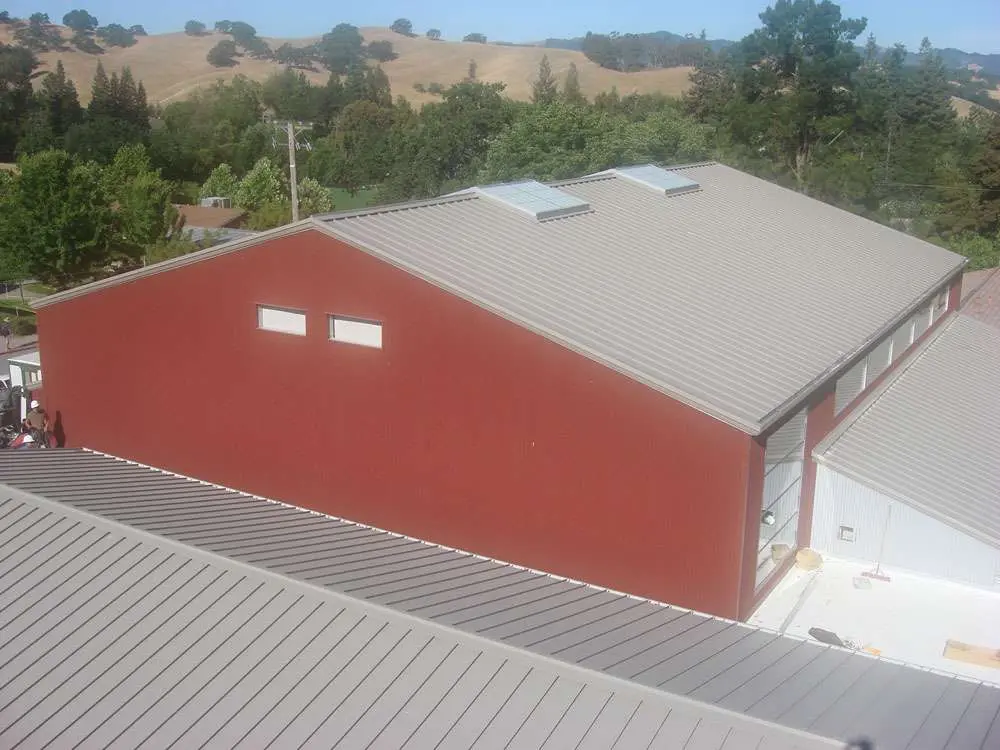
Common Metal Roof Problems We Repair
Metal Roof Leaks
A metal roof leak may begin at a seam, fastener, flashing joint, ridge cap, roof edge, skylight, vent, pipe boot, wall transition, or drainage area.
Instead of focusing only on the visible stain, we examine the surrounding roof and look for the path the water may be taking. Once the likely source is identified, we can recommend a repair that fits the roofing system and the condition of the surrounding materials.
Loose Fasteners and Damaged Washers
Exposed-fastener roofs rely on screws and sealing washers to secure the panels and limit water intrusion. Over time, fasteners may loosen, screws may back out, and washers may crack or deteriorate.
Depending on the condition of the roof, the work may include replacing damaged fasteners, installing appropriate washers, securing loose panels, and addressing openings around the connection points.
Open Seams and Panel Movement
Metal roofing expands and contracts as temperatures change. That movement can place stress on seams, clips, fasteners, sealants, flashing, and roof penetrations.
We inspect separated seams, displaced panels, damaged connection points, and other areas where movement may be allowing water into the roofing assembly.
Rusted or Damaged Roof Panels
Corrosion may be limited to a small section, or it may indicate a larger problem involving damaged finishes, trapped moisture, incompatible materials, or aging panels.
A limited area may be repairable. In other cases, one or more panels may need to be replaced. The surrounding roof should be evaluated before deciding whether the damage is isolated or part of a broader condition.
Flashing and Roof Penetrations
Leaks frequently develop where the roofing system meets another building component.
Common problem areas include:
- Skylights
- Vents and louvers
- Pipes and equipment penetrations
- Roof curbs
- Ridge caps
- Wall transitions
- Valleys
- Roof edges
- Changes in roof height or slope
These transitions must allow for drainage and normal movement while keeping water out of the building.
Gutters, Downspouts, and Drainage
A metal roof cannot perform properly if water does not leave the roof as intended.
Damaged gutters, blocked drainage paths, failed downspouts, and poor transitions can allow water to collect in vulnerable areas. In addition, drainage problems may cause water to overflow against panels, walls, flashing, or the building foundation.
Metal Building Company repairs and replaces gutters, downspouts, and related metal components when they contribute to the roof problem.
Storm and Wind Damage
High winds can lift panels, loosen fasteners, open seams, and damage roof edges. Meanwhile, branches, hail, and flying debris can dent panels, puncture the roof, or damage protective finishes.
Storm damage is not always obvious from the ground. Small openings around fasteners, flashing, seams, and penetrations may allow water into the building during the next heavy rain.
For more information, visit our metal roof storm and wind damage repair page.

How We Diagnose a Metal Roof Problem
A useful inspection does more than confirm that the roof is leaking. Instead, it helps determine where water is entering, how far the damage extends, and which repair approach makes sense.
1. We Discuss What You Have Observed
First, we ask when the problem started, where water appears inside the building, and whether the leak occurs during every storm or only under certain conditions.
We also review previous repairs, recurring trouble spots, storm damage, equipment changes, and other conditions that may provide useful context.
2. We Inspect the Roof and Related Components
Next, we examine the roof and the components that may be contributing to the problem.
Depending on the building, the inspection may include panels, seams, fasteners, flashing, penetrations, drainage systems, roof edges, previous repair areas, and visible portions of the supporting structure.
Because several components may contribute to the same leak, we look beyond the most obvious damaged area.
3. We Identify the Likely Source
From there, we evaluate where water is most likely entering the roofing system.
For example, water may enter around a fastener and then travel beneath a panel before reaching the interior. In other cases, the source may be failed flashing around a skylight, vent, wall transition, or roof edge.
Therefore, we look for the likely path of the water instead of assuming that the interior stain sits directly below the opening.
4. We Explain the Available Options
Once we understand the likely source and extent of the problem, we explain the available options.
In some cases, a focused repair may be enough. However, more extensive deterioration may require replacing damaged panels, installing a metal panel retrofit, or replacing the complete roof.
You receive a practical explanation of what we found and why a particular approach is being recommended.
5. We Prepare a Repair Scope
Finally, we prepare a proposal that identifies the recommended work.
For occupied commercial and industrial properties, the scope may also address building access, staging, scheduling, equipment, safety, and coordination around normal operations.
Repair, Replace Sections, or Replace the Roof?
Not every metal roof problem requires the same solution. The best approach depends on how much of the roof is affected and whether the remaining system is still performing as intended.
| Option | Usually makes sense when | Main consideration |
|---|---|---|
| Focused repair | Damage is limited to fasteners, seams, flashing, penetrations, drainage components, or a small number of panels | The surrounding roof must still be in serviceable condition |
| Panel or section replacement | Specific panels or roof sections are damaged, but the larger roofing system remains usable | Replacement materials must work with the existing roof profile and assembly |
| Full roof replacement | Corrosion, structural damage, repeated leaks, or panel failure is widespread | The project requires more planning, investment, and coordination |
If the roof has reached the point where repair no longer makes sense, learn more about the metal roofing systems available for commercial buildings.
Focused Metal Roof Repair
A focused repair may be the most practical option when the problem is limited and the rest of the roof remains in usable condition.
Depending on what the inspection finds, the repair may involve:
- Replacing missing or damaged fasteners
- Replacing deteriorated sealing washers
- Securing loose panels
- Repairing open seams
- Correcting damaged flashing
- Repairing roof penetrations
- Replacing damaged trim or ridge caps
- Repairing gutters and downspouts
- Replacing one or more damaged roof panels
A focused repair should address the source of the problem, not simply cover the visible opening with another temporary patch.
Metal Roof Panel or Section Replacement
Sometimes the damage is too extensive for a small repair but does not affect the complete roofing system.
For example, a branch may puncture several panels, a section may develop severe corrosion, or a roof opening may require rebuilding the surrounding panels and flashing.
In these situations, replacing a specific section may extend the useful life of the larger roof. However, the new panels, trim, fasteners, flashing, and connection details must be compatible with the existing assembly.
Complete Metal Roof Replacement
Full replacement may make sense when the roof has widespread corrosion, repeated leaks, severe panel damage, structural concerns, or a roofing system that has reached the end of its useful service life.
During replacement, the existing roofing materials are removed so the supporting structure and concealed conditions can be evaluated. Necessary corrections can then be completed before the new metal roof is installed.
Replacement provides a new roofing assembly, but it also requires careful planning. Material removal, building exposure, weather, access, safety, equipment, and ongoing business operations must all be considered.
For new installations and full replacement projects, visit our commercial metal roofing contractors page.
What Affects Metal Roof Repair Cost?
An accurate metal roof repair estimate usually requires an inspection because the visible damage may not reveal the complete scope of the problem.
Repair cost can be affected by:
- The roof system and panel profile
- The number and location of damaged areas
- The source of the leak
- The condition of nearby panels and flashing
- Building height and roof access
- Roof slope
- Equipment and penetrations
- Structural damage
- Material availability
- The need for custom-fabricated components
- Safety and staging requirements
- Coordination around occupied building operations
A small fastener or flashing repair will have a different scope from replacing several roof sections or installing a complete retrofit system.
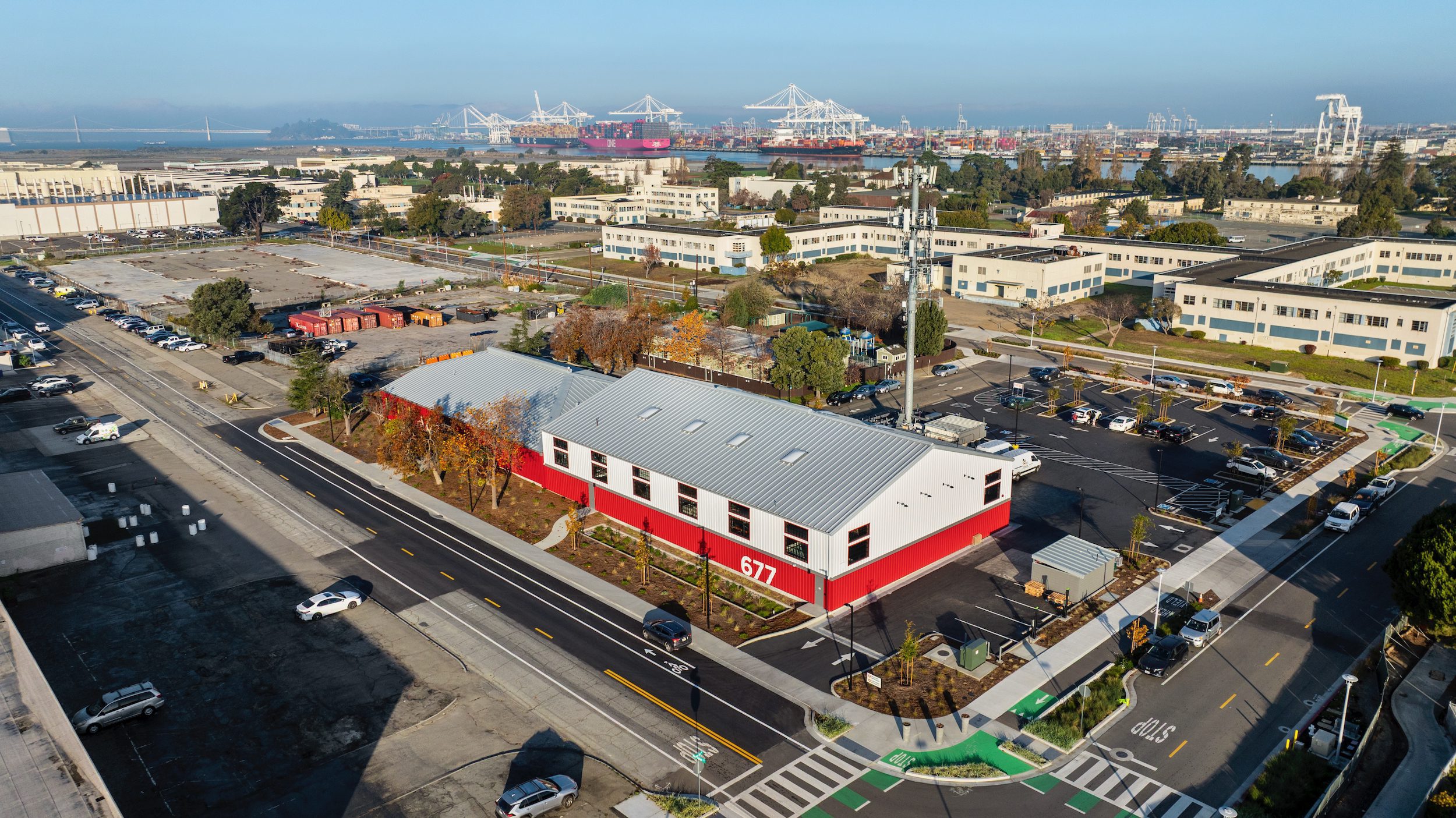
Why Choose Metal Building Company?
Serving the Bay Area Since 1976
Metal Building Company has worked with Bay Area property owners, business owners, building managers, general contractors, developers, and architects since 1976.
Our service area includes Oakland, San Francisco, the East Bay, North Bay, Peninsula, South Bay, and surrounding Northern California communities.
Knowledge of Complete Metal Building Systems
Our team works on more than the visible roof surface.
We also work with structural components, wall panels, gutters, downspouts, skylights, vents, louvers, framing, flashing, and other parts of the building envelope.
That broader experience matters when water intrusion involves several connected parts of the building.
Commercial and Industrial Project Experience
Roof work can affect employees, tenants, equipment, inventory, deliveries, parking, and daily operations.
As a result, the repair plan must account for access, safety, staging, scheduling, and the way the property is being used.
Options Based on the Condition of the Roof
A limited problem should not automatically become a complete replacement project. At the same time, repeated temporary repairs are not useful when the roof has widespread deterioration.
We inspect the existing condition and explain the available options so the property owner can make an informed decision.
Choosing a Metal Roof Repair Contractor
Metal roofs have specific panel systems, connection details, movement patterns, and flashing requirements. Therefore, general roofing experience does not always mean a contractor regularly works on metal buildings.
When comparing contractors, ask about their experience with your roof type, inspection process, related metal building components, project examples, building operations, and written repair scope.
Read our complete guide to choosing metal roof repair contractors.
Additional reading:
https://www.metalbuildingcompany.com/2025/11/07/commercial-metal-roofing-company-choose-wisely/
Metal Roof Repair FAQ
Can a leaking metal roof be repaired without replacing it?
Often, yes. A focused repair may be possible when the damage is limited and the surrounding roof remains in serviceable condition.
However, replacement or retrofit may be a better option when corrosion, panel failure, structural damage, or recurring leaks are widespread.
How do you find the source of a metal roof leak?
We inspect common entry points such as seams, fasteners, flashing, penetrations, roof edges, valleys, skylights, vents, and drainage areas.
We also consider how water may travel beneath the panels or along structural components before appearing inside the building.
Do you repair standing seam and exposed-fastener roofs?
Yes. Metal Building Company works on standing seam, exposed-fastener, corrugated, ribbed, and other metal roofing systems.
The repair method depends on the panel profile, connection system, flashing details, and condition of the surrounding roof.
Can individual steel roof panels be replaced?
Yes, individual panels or roof sections may be replaced when compatible materials are available and the surrounding system remains usable.
Before recommending panel replacement, we evaluate the adjacent materials and connection details.
Does rust mean the entire roof needs to be replaced?
Not necessarily. Limited surface corrosion may affect only a small area. However, widespread rust, perforated panels, failing finishes, or corrosion around connections may indicate a larger problem.
An inspection is needed to determine how far the damage extends.
Do you offer storm-damage repair?
Yes. We repair wind-lifted panels, loose fasteners, separated seams, damaged flashing, punctures, dents, and other storm-related metal roof problems.
How much does metal roof repair cost?
Cost depends on the roof system, source of the problem, building height, access, materials, extent of the damage, and whether panels or related building components must be replaced.
An inspection is usually necessary before an accurate estimate can be prepared.
What areas do you serve?
Metal Building Company serves Oakland and communities throughout the San Francisco Bay Area, including the East Bay, North Bay, Peninsula, South Bay, San Francisco, and surrounding areas.
Schedule a Metal Roof Inspection
A small opening can allow water to spread into insulation, framing, equipment areas, offices, and finished interior spaces. Finding the source early usually gives the building owner more options.
Call 510-635-0111 or contact Metal Building Company to request a free estimate for commercial or industrial metal roof repair.