Steel Roof Repair in the Bay Area: Prevent Leaks Before the Rainy Season Hits
It’s official! The rainy season arrived in the Bay Area. [...]
Categories:
Date Posted:
December 24, 2025
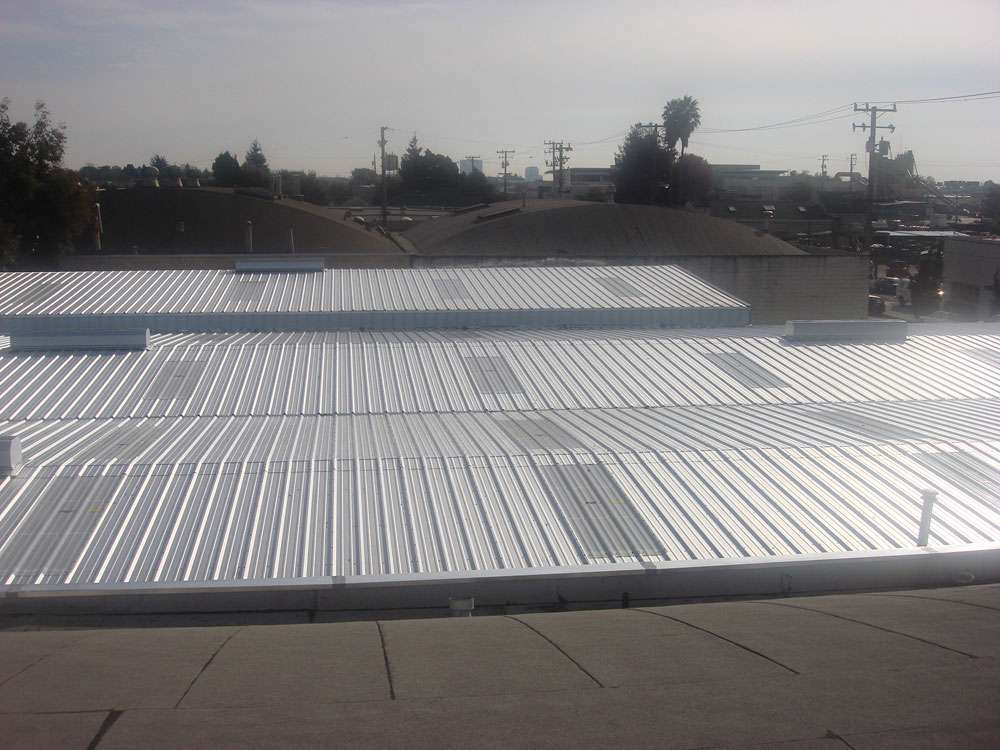
It’s official! The rainy season arrived in the Bay Area. Basically, even a small roof problem can turn into a big headache. That’s why steel roof repair is one of the smartest things a building owner can do before the first heavy storm rolls in. If your metal roof has small leaks, loose fasteners, or worn-out seams, now is the time to fix them—before water finds its way inside.
In this guide, we’ll explain why steel roofs leak, how to spot early warning signs, and why fast repairs can save you thousands of dollars.
Why Steel Roofs Leak
Steel roofs are strong and long-lasting. However, they are not immune to wear and tear. Over time, weather, heat, and movement can all cause problems. For example, the Bay Area’s hot summers and cool, wet winters make steel expand and contract. Because of that movement, screws can loosen and seams can open.
Here are the most common causes of steel roof leaks:
- Loose or missing fasteners
- Cracked or dried-out sealant
- Rust around screws or seams
- Punctures from fallen branches or foot traffic
- Poor installation or old repairs
Even though these issues may seem small, they can quickly lead to water damage if they are ignored.
Warning Signs You Need Steel Roof Repair
Luckily, your building usually gives you clues when something is wrong. So, if you know what to look for, you can act early.
Here are a few warning signs that mean you may need steel roof repair:
- Water stains on ceilings or walls
- Drips or puddles after rain
- Rust spots on the roof panels
- Loose or lifted metal panels
- Mold or mildew smells inside
If you notice any of these signs, it’s best to call a professional right away. The sooner you fix the problem, the less damage it can cause.
Why You Should Fix Leaks Before the Rainy Season
In the Bay Area, fall and winter storms can be heavy and unpredictable. So, if your steel roof already has weak spots, those storms will make them worse. In addition, water can spread fast once it gets inside your building.
By scheduling steel roof repair before the rainy season, you:
- Prevent costly interior damage
- Protect equipment and inventory
- Avoid business downtime
- Extend the life of your roof
- Save money on bigger metal building repairs later
In short, early repairs are always cheaper and easier than emergency fixes during a storm. If you wait, you could face higher metal building repair cost.
What Professional Steel Roof Repair Includes
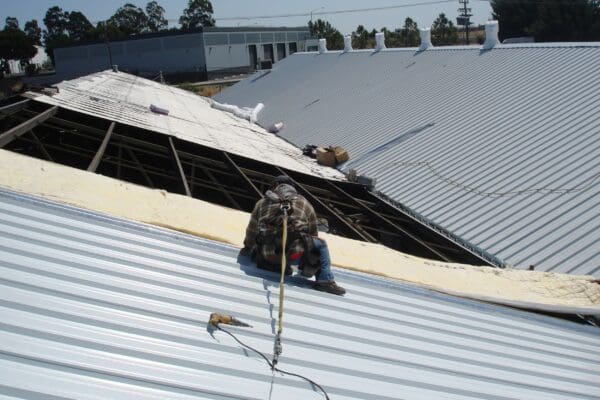
When you hire a metal roofing expert, they don’t just patch one hole and walk away. Instead, they look at the entire roof to find all potential problem areas.
A typical steel roof repair service includes:
- Inspecting seams, screws, and flashing
- Replacing damaged or missing fasteners
- Resealing joints and penetrations
- Repairing or replacing rusted panels
- Sealing small cracks and holes
Because professionals use the right tools and materials, the repairs last longer and perform better. You want to hire a metal roofing contractor that does the job right the first time.
Why Choose a Local Bay Area Metal Roofing Company
Working with a local company makes a big difference. Since Bay Area weather is unique, you want a contractor who understands it. In addition, local teams can respond faster when you need help.
A trusted Bay Area metal building company will:
- Know how coastal air and rain affect steel roofs
- Use materials that hold up in local conditions
- Offer fast inspections and repairs
- Stand behind their work
That way, you get peace of mind when the storm arrives. And this will help you avoid more costly metal building repair in the Bay Area later.
Schedule Your Steel Roof Repair Today
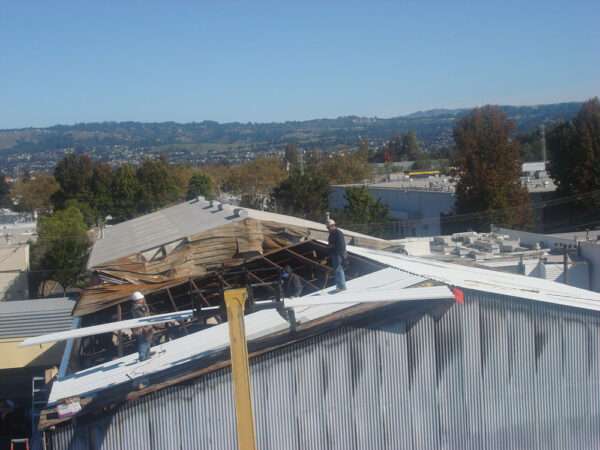
Don’t wait until water is dripping from the ceiling. Instead, take action now and protect your building. With professional steel roof repair, you can stop leaks, prevent damage, and stay dry all rainy season long.
If your metal roof needs attention, contact Metal Building Company today. We’ll inspect your roof, explain your options, and help you get ahead of the next storm.
Read more from our blog: