Industrial Steel Buildings in the Bay Area: What Businesses Should Know Before They Build
Categories:
Date Posted:
May 21, 2026
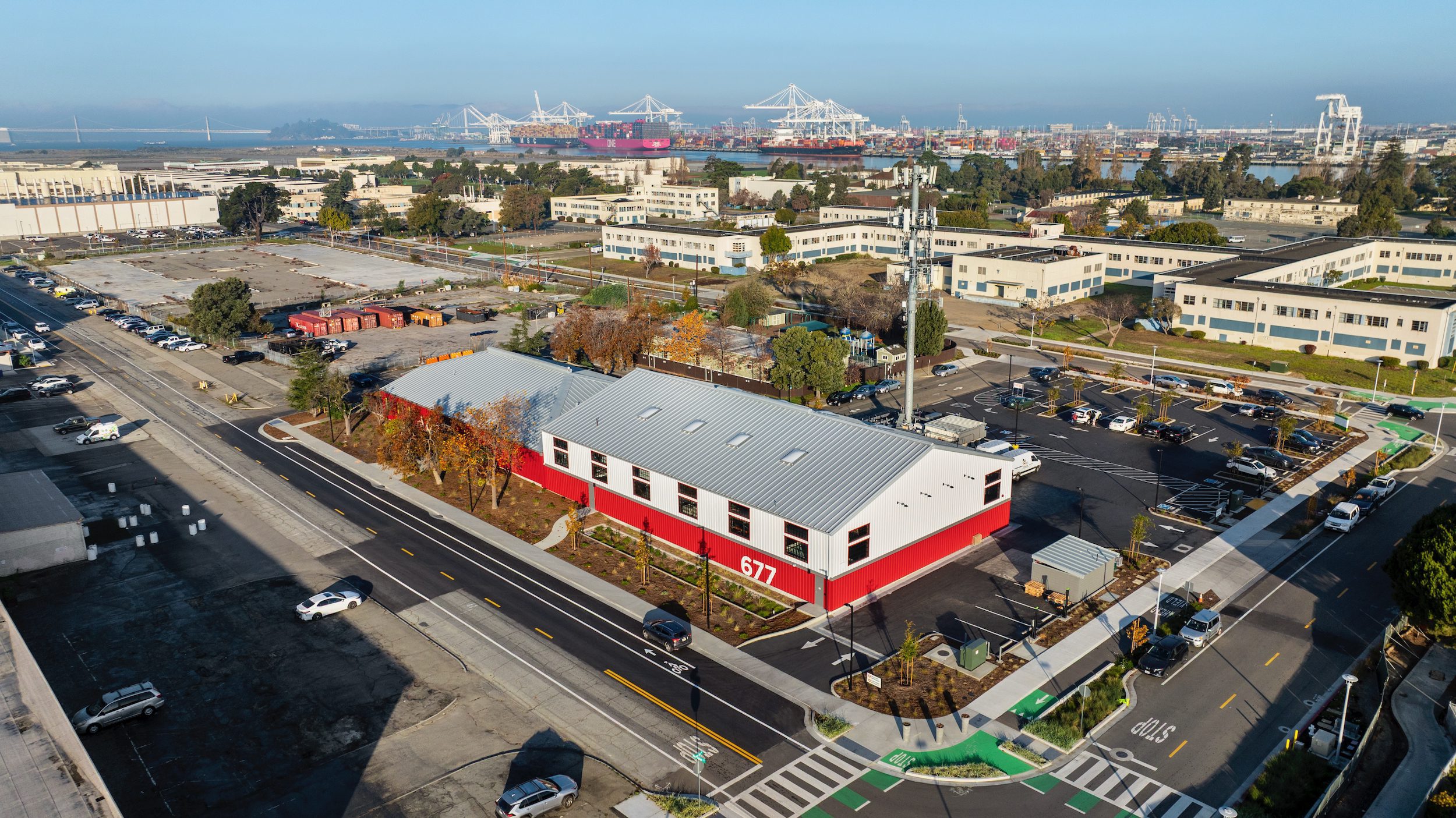
Walk through almost any industrial district in the Bay Area and you’ll see industrial steel buildings everywhere. Warehouses. Maintenance facilities. Fleet yards. Manufacturing shops. Distribution centers.
There’s a reason for that.
Steel buildings solve a lot of practical problems that traditional construction struggles with. They go up faster, require less long-term maintenance, and can be adapted to a wide range of business uses. For companies that need functional space rather than architectural showpieces, steel often becomes the obvious choice.
At Metal Building Company, we’ve spent decades working with Bay Area property owners, contractors, schools, nonprofits, and industrial businesses. While every project is different, many of the reasons clients choose steel remain surprisingly consistent.
Why Steel Continues to Dominate Industrial Construction
Most industrial steel building owners aren’t looking for trendy construction methods. They’re looking for something that works.
Steel performs well because it handles the realities of industrial use better than many alternatives. Forklifts, equipment, weather exposure, changing operational needs, and decades of daily wear can be hard on a building.
A properly designed steel structure is built for that environment.
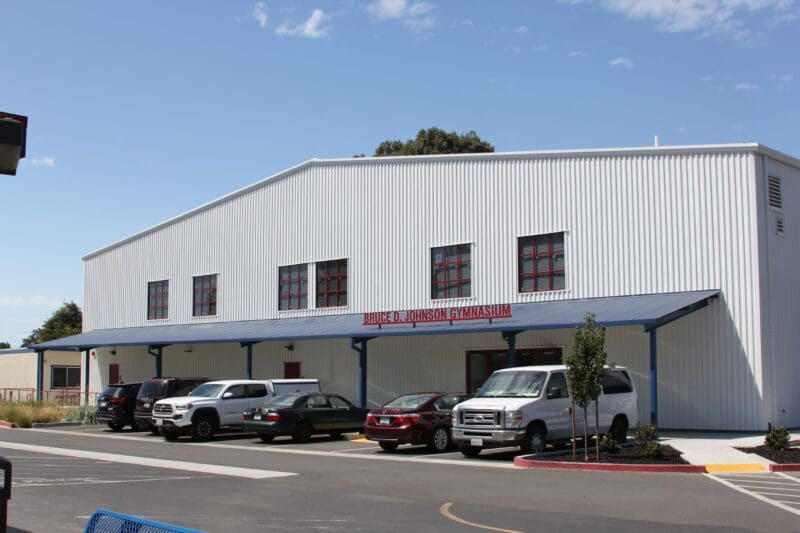
Galvanized steel resists corrosion. Steel framing isn’t vulnerable to termites or rot. Structural components can span large distances without requiring rows of interior support columns. The result is more usable floor space and fewer limitations on how a facility can operate.
For many owners, the appeal isn’t just durability. It’s predictability.
The Cost Conversation Is Usually Bigger Than the Initial Price
One of the most common questions we hear is simple:
“How much does a steel building cost?”
The honest answer is that there isn’t a universal number.
Building size, site conditions, permitting requirements, foundation work, insulation packages, interior improvements, and local code requirements all influence project cost. Two buildings with the same square footage can have dramatically different budgets depending on what they’re designed to do.
What often matters more is long-term ownership cost.
Steel buildings generally require less maintenance than many conventional structures. They aren’t susceptible to many of the repair issues that drive unexpected expenses over time. When owners evaluate a building over twenty or thirty years rather than just the construction phase, steel frequently compares favorably.
Warehouse Design Has Become More Specialized
The image of a warehouse as a giant empty box is increasingly outdated.
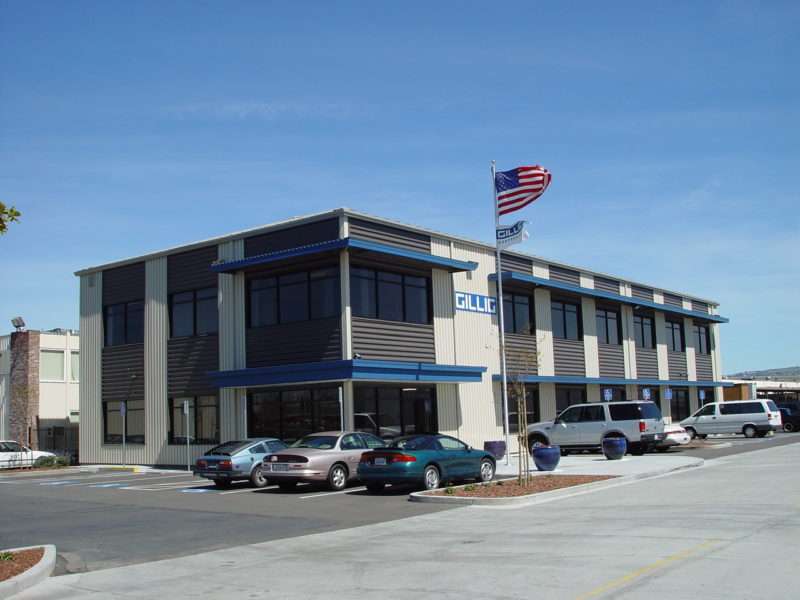
Today’s industrial facilities often serve multiple purposes. Storage, production, assembly, distribution, office space, and employee support areas may all exist under one roof.
That’s why customization matters.
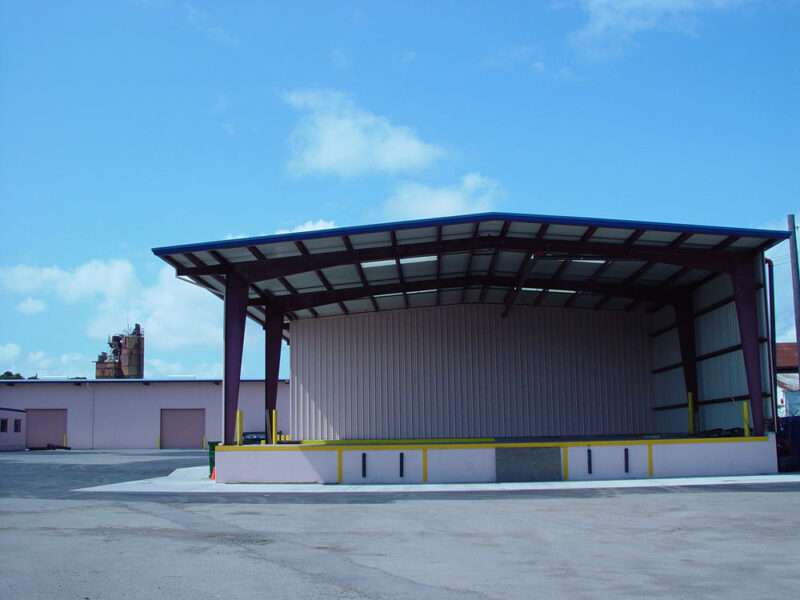
Clear-span designs remain popular because they maximize flexibility. Large overhead doors, loading docks, mezzanines, equipment bays, and climate-controlled spaces can all be incorporated into a steel building design.
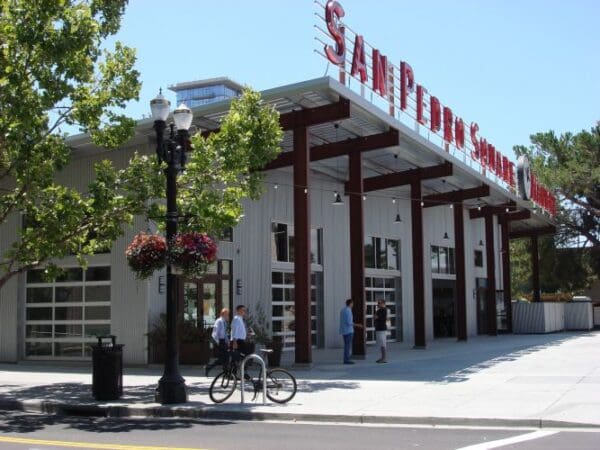
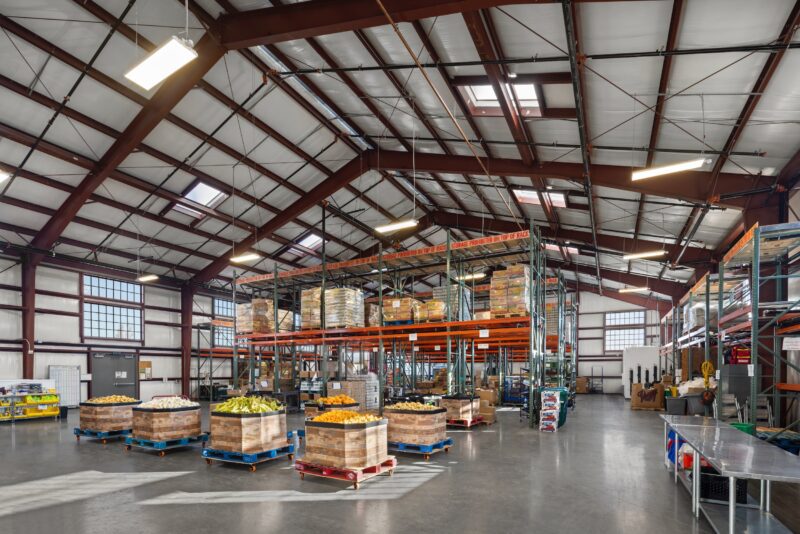
We’ve seen facilities designed for food distribution, private schools, municipal operations, equipment storage, athletic facilities, and manufacturing. The building system is largely the same. The details change based on how the owner intends to use the space.
Choosing a Contractor Matters More Than Most Owners Expect
A steel building project isn’t just about the building package.
Engineering, permitting, site preparation, foundations, erection, inspections, and coordination with local agencies all play major roles in whether a project moves smoothly or becomes a headache.
In the Bay Area, local experience matters.
Building requirements can vary significantly between jurisdictions. Seismic considerations, environmental review requirements, design standards, and permitting processes often affect project timelines and budgets.
Before selecting a metal building contractor, it’s worth looking beyond price alone. Previous projects, local references, communication style, and familiarity with regional regulations can tell you far more about how a project is likely to unfold.
Energy Efficiency Isn’t Just About Insulation
Industrial owners are paying more attention to operating costs than ever.
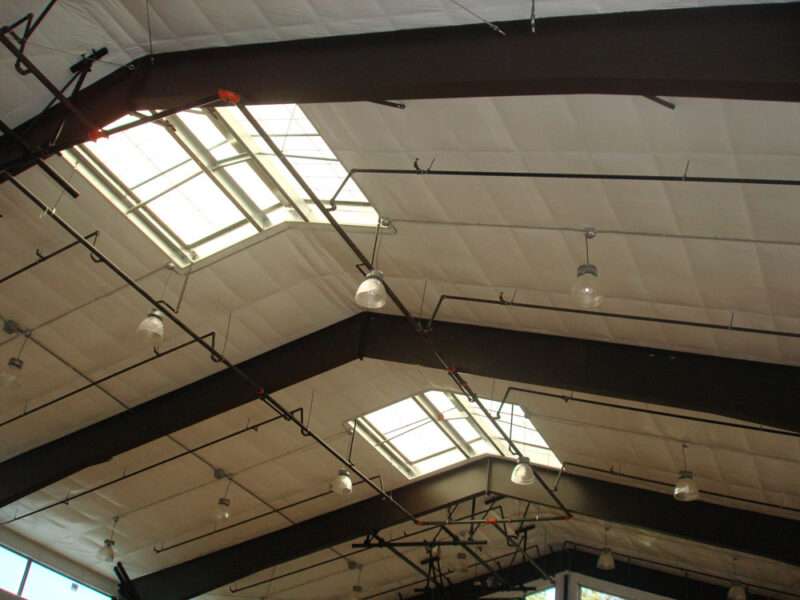
Insulation remains one of the biggest factors in building performance, but it’s only part of the equation. Roof systems, daylighting strategies, ventilation, building orientation, and window placement all influence energy use.
Many modern steel buildings incorporate insulated wall and roof systems designed to reduce heating and cooling demands throughout the year.
Some owners also choose to integrate solar systems during construction rather than treating them as a future upgrade. In California, that decision can significantly affect long-term operating costs.
How Long Do Industrial Steel Buildings Last?
A well-designed steel building can remain in service for decades.
We’ve worked on projects involving structures that have been standing for generations and continue to perform as intended. Like any building, longevity depends on maintenance, environmental exposure, and construction quality. But steel’s reputation for durability is well earned.
The better question may not be how long a steel building lasts.
It’s whether the building can adapt as your business changes.
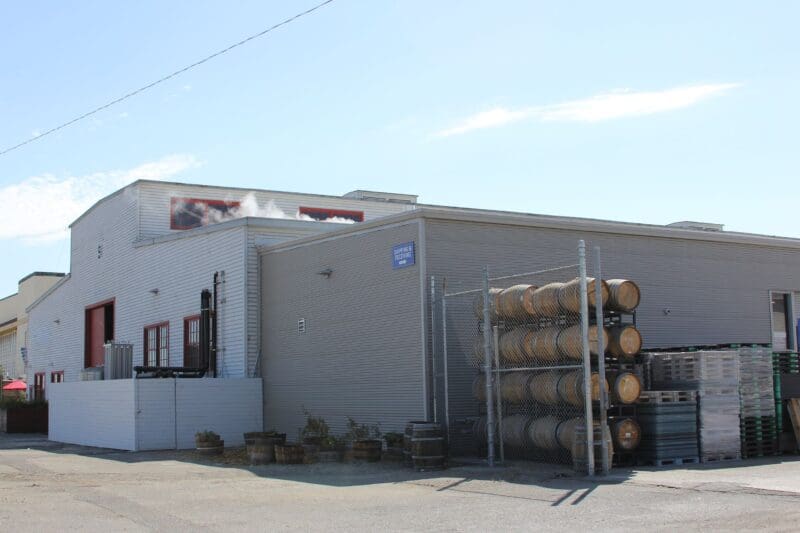
For many owners, that’s where steel provides its greatest value. Expansions, interior reconfigurations, equipment upgrades, and changing operational needs are often easier to accommodate than with more rigid building systems.
Final Thoughts
Industrial steel buildings rarely get built for today’s needs alone.
The most successful projects account for where a business may be five, ten, or twenty years down the road. That’s one reason steel remains such a common choice throughout the Bay Area. It offers durability, flexibility, and a construction approach that can evolve alongside the organizations that occupy it.
Whether the project is a warehouse, maintenance facility, manufacturing operation, nonprofit distribution center, or commercial storage building, the goal is usually the same: create a structure that works reliably for a long time.
Steel has been doing that for decades.
Read more: