Advantages of Pre-Engineered Metal Buildings
Categories:
Metal Buildings
Date Posted:
July 29, 2025
Pre-engineered metal buildings use steel components designed for a specific project and fabricated before delivery. The parts arrive at the site ready for assembly.
This approach can shorten on-site construction and reduce material waste. Warehouses, shops, agricultural buildings, and other facilities can be designed with different sizes, openings, and finishes. The final price and schedule still depend on foundations, site work, permits, and the building’s use.
What Is a Pre-Engineered Metal Building?
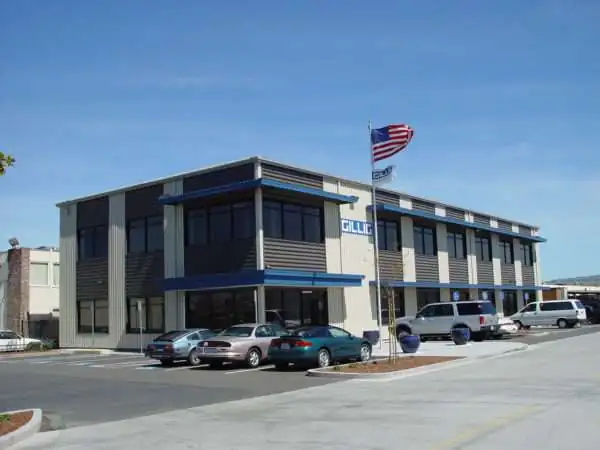
A pre-engineered metal building uses steel components designed to fit together on site. The manufacturer produces the parts to match the building plans.
The components are shipped to the job site for assembly. Factory fabrication can reduce on-site work and waste.
Key features of pre-engineered buildings include:
- Customizable designs: Tailored to specific needs.
- Durability: Capable of withstanding harsh weather.
- Efficient construction: Quick assembly reduces labor costs and disruptions.
These buildings are a modern solution for diverse construction projects, combining efficiency with durability.
Key Benefits of Pre-Engineered Steel Buildings
Pre-engineered steel buildings may cost less to assemble because many parts arrive ready to install. Compare full project costs, including foundations and site work.
The construction speed is another advantage. These buildings can be erected faster than traditional methods. It minimizes project timelines considerably.
Durability is a hallmark of pre-engineered steel structures. They withstand harsh conditions like storms and heavy snow. They are also designed to last many years with minimal maintenance.
Furthermore, the customization options available allow for tailored designs. This versatility makes them suitable for various applications, from warehouses to retail spaces.
Key benefits include:
- Lower costs: Economical in materials and labor.
- Quick construction: Saves time and money.
- Robustness: Withstands severe weather.
- Design variety: Supports unique needs.
The main benefits are a predictable component package, flexible layouts, and potentially shorter construction time.
Cost-Effectiveness
Factory fabrication may reduce waste and on-site labor. Actual savings depend on the building design, local labor, and site conditions.
Budget-conscious businesses find these buildings ideal. Financial efficiency doesn’t compromise quality. The reduced construction timeline further lessens project expenditures.
Key reasons for cost-effectiveness include:
- Factory fabrication: Enhances precision and reduces material waste.
- Rapid assembly: Cuts down labor costs.
- Minimal maintenance: Long-term savings.
Request an itemized quote to understand what’s included and what will cost extra.
Speed of Pre-Engineered Building Construction
Because components arrive prefabricated, crews may be able to erect the steel frame more quickly than with some other methods.
Construction delays are minimized, leading to faster project completion. This time efficiency is crucial for businesses needing quick expansions or new facilities.
Faster construction offers several benefits:
- Reduced timelines: Quick project delivery.
- Minimized disruptions: Less on-site work time.
- Early occupancy: Faster return on investment.
Ask the builder for a schedule covering permitting, foundations, material delivery, and erection, not just frame assembly.
Durability and Reliability
Durability is a core characteristic of pre-engineered steel buildings. They are designed to withstand harsh environmental conditions like high winds and heavy snow loads.
Pre-engineered buildings also comply with stringent building codes, ensuring safety and reliability. The materials used, such as high-grade steel, contribute to their long-lasting nature.
Reasons for their durability include:
- High-quality steel: Resists corrosion and wear.
- Weather resilience: Endures extreme conditions.
- Compliance with codes: Meets safety standards.
The building must be engineered for local wind, seismic, and other code requirements.
Design Flexibility and Customization
Design flexibility is a standout feature of pre-engineered metal buildings. They offer various customization options to suit specific needs. This flexibility includes size, shape, and exterior finishes.
Architects and designers appreciate the creative freedom these structures allow. They can match aesthetics with functionality seamlessly.
Key aspects of design flexibility are:
- Varied layouts: Tailored to project requirements.
- Aesthetic choices: Blends with existing structures.
- Functional designs: Meets diverse applications.
The customization capabilities make these buildings suitable for various industries, from agriculture to retail.
Sustainability and Environmental Impact
Steel can contain recycled material and can be recycled again. Factory fabrication may also reduce scrap.
Their construction process ensures minimal environmental disruption. Additionally, they offer excellent energy efficiency with options for insulation and energy-saving systems.
Sustainability features include:
- Recycled materials: Reduced environmental footprint.
- Energy efficiency: Lower energy costs.
- Less waste: Sustainable construction.
These buildings support eco-friendly practices while providing functional and durable solutions, making them a responsible choice for future-forward businesses.
Applications of Pre-Engineered Metal Buildings
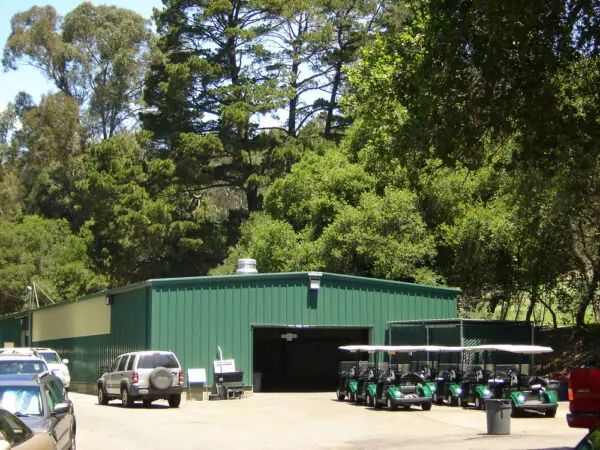
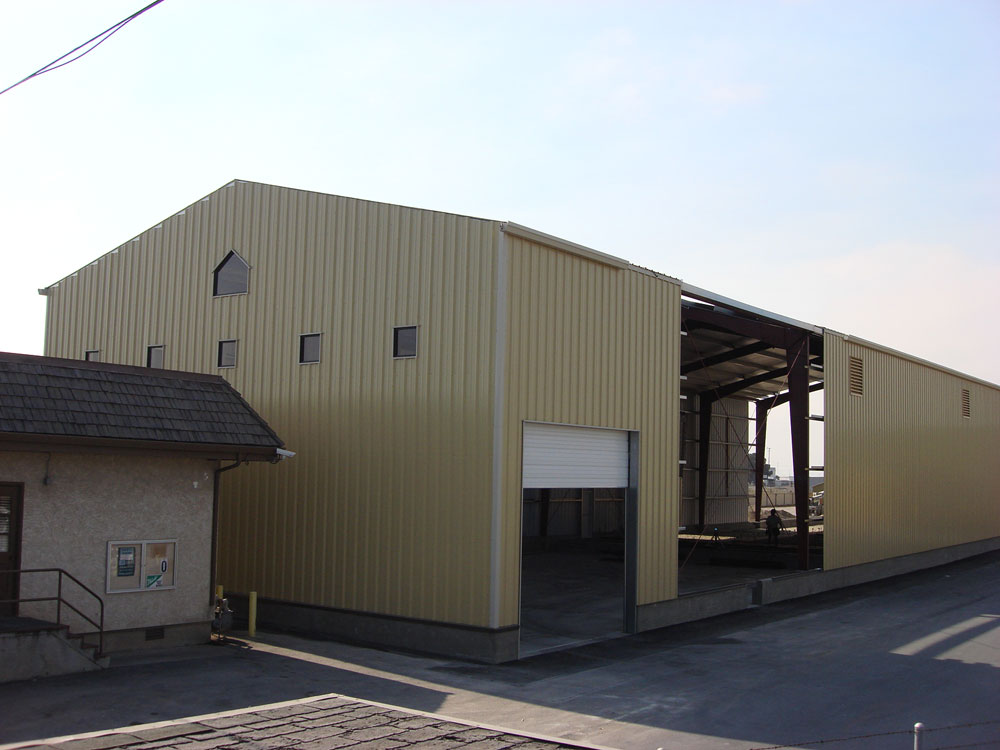
Castlewood Country Club Golf Cart Shed in Pleasanton
Pre-engineered metal buildings serve a wide array of applications. Their versatility suits various industries, from commercial to agriculture.
These structures are adaptable to diverse functional needs. They offer effective space solutions for multiple sectors and purposes.
Common applications include:
- Warehouses: Ample storage and operational efficiency.
- Commercial spaces: Retail, offices, and showrooms.
- Agricultural facilities: Barns and processing plants.
- Recreational centers: Gyms and sports complexes.
The ability to customize these structures makes them invaluable across different market segments. Their adaptability offers practical solutions to unique building requirements.
The Role of Pre-Engineered Metal Building Erectors
Pre-engineered metal building erectors are crucial in the construction process. They ensure that assembly on-site is precise and efficient.
Their expertise guarantees safe and timely project completion. Erectors handle various tasks, including:
- Assembly of parts: Accurate alignment of prefabricated pieces.
- Adhering to safety standards: Ensuring compliance with regulations.
- Quality control: Inspecting the integrity of structures.
Their role is essential for maintaining the quality and longevity of the building. Skilled erectors minimize disruptions and enhance overall construction efficiency.
What Is Included in a Pre-Engineered Metal Building Package?
A pre-engineered metal building package commonly addresses the primary frames, secondary framing, bracing, and specified roof and wall systems. The exact scope varies by supplier. Foundations, slab work, doors, insulation, interior partitions, utilities, and installation labor may be priced separately. Ask for a written inclusion and exclusion list rather than assuming a quoted building price represents a complete, occupied facility.
The design team also needs usable project inputs: the intended use, building dimensions, clear height, openings, equipment loads, and the specific site location. Wind, seismic, and other structural requirements are established for the project location and applicable codes. A building package should be coordinated with the foundation design and the local permitting process before components are ordered.
When comparing proposals, ask who is responsible for engineering coordination, delivery, unloading, erection, weatherproofing details, and final inspections. An experienced Bay Area steel building erection team can help identify handoffs that would otherwise delay construction.
Conclusion: Why Choose a Pre-Engineered Metal Building?
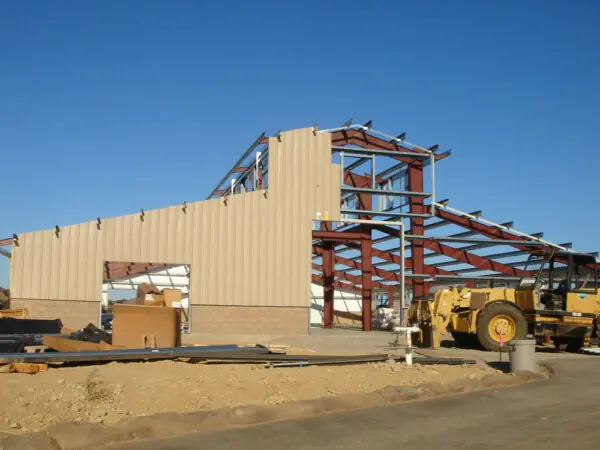
Pre-engineered metal buildings offer numerous advantages. They are cost-effective, durable, and quick to construct. These features make them an ideal choice for diverse industries.
Additionally, the flexibility and environmental benefits make them appealing to modern businesses. Whether for commercial, industrial, or agricultural use, these buildings meet various needs. Opting for a pre-engineered solution ensures efficiency, reliability, and long-term savings. Investing in such a building means investing in a sustainable and adaptable future.
Enjoy this post? Check out other content on our website here:
Benefits Of A Metal Roof Over Shingles
Oakland Pre-Engineered Metal Building
San Jose Pre-Engineered Metal Building
Concord Pre-Engineered Metal Building
Steel Building Erectors: What to know in the Bay Area
More information: Metal Building Manufacturers Association (MBMA.com)