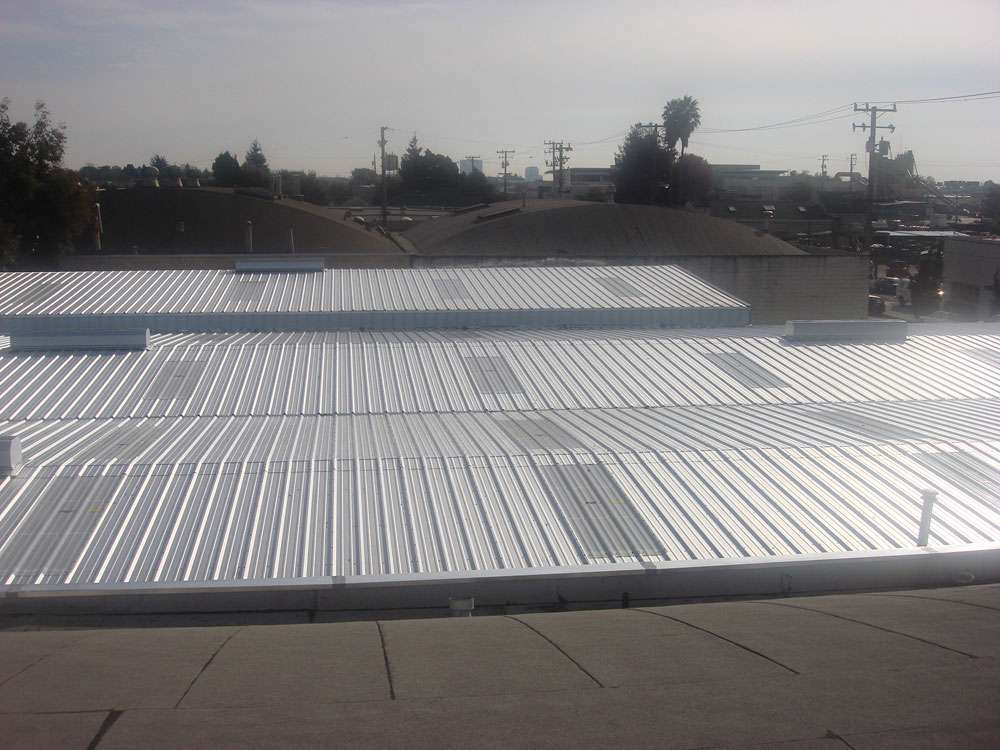
TL;DR: Metal roof replacement is a durable, energy-efficient, and modern upgrade for a business. Signs you need one include rust, leaks, or damaged panels. Options include steel, aluminum, copper, and zinc, each with different costs and benefits. While installation has a higher upfront price, the 40–70 year lifespan, fire/weather resistance, and energy savings make it a smart long-term investment. Success depends on choosing the right material, hiring experienced contractors, and maintaining the roof properly.
Metal roof replacement is a significant project. It offers durability, energy efficiency, and a modern look.
Therefore, choosing the right roofing material is crucial. For example, metal roofs come in various types, each with unique benefits.
So then, understanding the costs involved is essential. Metal roof cost can vary based on materials and labor.
Installation requires expertise. Hiring experienced professionals ensures a successful metal roof installation.
This guide will help you navigate the process. Learn about materials, costs, and benefits of metal roof replacement.
What Is Metal Roof Replacement?
Replacement involves removing an old roof and installing a new metal roof. It offers a fresh, protective cover for your building.
This process entails choosing the right metal, design, and installation method. Various materials like steel or aluminum are available.
Consider these key elements of metal roof replacement:
- First, selecting the appropriate metal roofing type
- Secondly, ensuring proper installation by professionals
- Thirdly, understanding local building codes and regulations
By opting for a metal roof, business owners can enhance their property’s durability and aesthetic appeal. Proper planning leads to a successful metal roof installation.
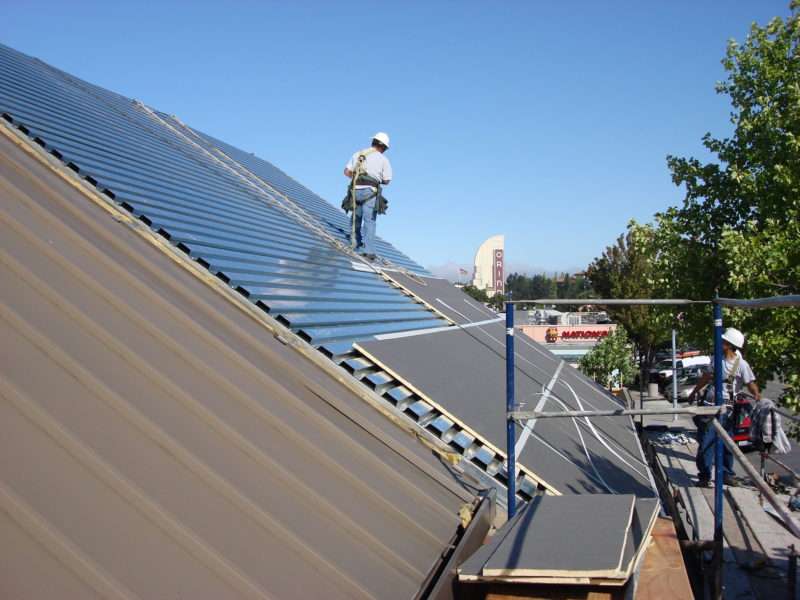
Signs You Need a Roof
Metal roofs are known for their longevity, but they aren’t invincible. Over time, even the toughest materials show signs of wear.
Look for these signs indicating replacement is necessary. For example, rust or corrosion are major indicators of compromised integrity.
Additionally, damaged or missing panels can also signal the need for a new roof. Besides these, persistent leaks are a strong sign.
Here are common signs you need to consider:
- Rust or visible corrosion
- Damaged, bent, or missing panels
- Persistent leaks despite repairs
- Excessive noise during rains or winds
Ignoring these signs can lead to more costly repairs later. So then, address potential problems promptly for lasting protection.
Read more about when you might simply have a metal roof repair done before considering replacement.
Types of Metal Roofing
When choosing a metal roof, understanding material options is key. Each material offers unique benefits and costs.
Steel is among the most popular choices, known for its strength. It’s often coated to resist rust and can mimic other styles.
Aluminum is lightweight and resists corrosion naturally, making it ideal for coastal areas. It’s easy to install and reflects heat well.
Copper roofs are luxurious and durable, but the high cost is a consideration. They develop a unique patina over time.
Zinc offers an eco-friendly option with its ability to self-heal over scratches. It’s long-lasting and appealing, though expensive.
Common metal roofing materials include:
- Steel: Durable and versatile
- Aluminum: Lightweight and resistant
- Copper: High-end with patina
- Zinc: Self-healing and eco-friendly
Different materials fit different needs and aesthetics. Consider factors like climate, budget, and style preference when selecting. Making an informed choice ensures you get the best value and performance for your building. Before selecting a replacement system, review the main types of commercial metal roofing and where each works best.
Read more here [thisoldhouse.com]
Benefits of Replacing Your Roof with Metal
Replacing your roof with metal offers numerous advantages. Metal roofs are incredibly durable and often last between 40 to 70 years. This lifespan far surpasses traditional roofing materials, making it a long-term investment.
Metal roofs are energy-efficient, reflecting solar heat effectively. This feature can lower your cooling costs during hot months, providing substantial savings over time. Additionally, they are environmentally friendly, often using recycled materials, which are also recyclable once they’re no longer in use.
Safety is another key benefit of metal roofs. They are non-combustible, offering excellent fire resistance, which could potentially lower your insurance premiums. Metal roofs also perform well under extreme weather conditions, resisting high winds and hail impacts.
In summary, key benefits of a metal roof include:
- Longevity: 40-70 year lifespan
- Energy Efficiency: Reflects solar heat
- Environmentally Friendly: Made from and recyclable
- Safety: Fire and weather resistant
With these advantages, a metal roof is not just a roof but a strategic enhancement for your structure. Consider these benefits when planning your next roof replacement.
Metal Roof Cost: What to Expect
Understanding the costs involved with metal roof replacement is essential for budgeting. These costs can vary based on several factors, including materials and labor. On average, metal roofs have a higher upfront cost than asphalt shingles.
The type of metal used significantly impacts cost. Common options include aluminum, steel, and copper, each with a different price range. Copper tends to be the most expensive due to its natural look and durability.
Other expenses to consider are related to labor and installation. Therefore, professional installation is necessary for ensuring the quality and longevity of your metal roof. This cost often depends on the complexity and size of your roof.
Although the initial investment is higher, the long-term savings from durability and energy efficiency offset this cost over time. With a metal roof, owners can enjoy peace of mind knowing they’re investing in a long-lasting solution.
Factors Affecting Metal Roof Cost
Several factors can influence the total cost of a metal roof replacement. Understanding these can help in making informed decisions when budgeting for this project.
Firstly, the complexity and slope of your roof play a significant role. Steeper roofs or those with intricate designs typically require more labor, increasing installation costs.
Secondly, the quality and type of materials chosen also heavily impact pricing. Premium metals like copper or higher-gauge steel command higher prices than alternatives like aluminum.
Finally, geographic location can affect cost, too, as labor and material expenses vary by region. Urban areas may experience higher costs than rural ones due to increased demand and logistical factors.
Consider the following factors:
- Roof pitch and complexity
- Type and quality of metal
- Geographic location and availability
- Need for additional features like skylights or insulation enhancements
These elements all contribute to the overall expense, making it crucial to plan accordingly. Taking the time to evaluate these factors ensures a smoother replacement process and a satisfying end result.
Planning a roof replacement in Fremont? Our metal roof installation team serving Fremont can help assess the project. You can also review our Fremont custom metal roof services when choosing a roof that fits your building’s design.
The Metal Roof Installation Process
Installing a metal roof involves precision and expertise. The process typically begins with thorough planning. Proper measurements are taken to ensure all panels fit precisely, reducing the risk of future issues.
Preparation is essential before any installation begins. The old roofing material is often removed unless the metal can be laid over it. This depends on the condition of the existing roof and local regulations.
After preparation, the next step is positioning underlayment. This layer provides moisture control and insulation, enhancing energy efficiency. It is crucial for ensuring the roof performs well in various weather conditions.
The metal panels or shingles are then carefully installed. This stage involves cutting, aligning, and securing the material based on the roof design. Skilled professionals use special fasteners and techniques to ensure a snug fit.
This installation process requires attention to detail and safety. Working at heights demands proper equipment and adherence to safety standards. Experienced contractors can ensure these measures are followed.
Consider these key steps in the process:
- Planning and measurement
- Removal of old materials if necessary
- Installation of underlayment
- Securing metal panels or shingles
- Adhering to safety and building codes
Each step is vital in ensuring a durable and efficient roof, protecting your building for decades to come.
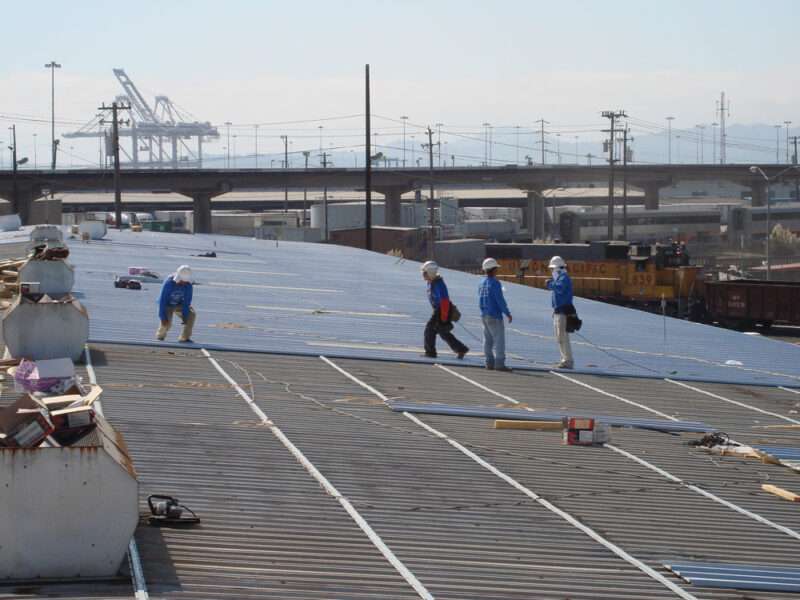
Metal Building Company Installers lay metal roofing panels with a corrugated seem
Metal Roof Maintenance and Longevity
Metal roofing is renowned for it’s durability. With proper care, they can last between 40 to 70 years, offering long-term protection.
Routine maintenance involves regular inspections. Look for signs of corrosion, loose panels, or damaged coatings. Addressing minor issues early can prevent high metal building repair cost later.
Cleaning your metal roof is straightforward. Use a soft brush and mild soap to remove debris and stains.
Key maintenance tips include:
- Check for loose or missing fasteners
- Inspect for rust or deterioration
- Clear debris from gutters and valleys
- Ensure protective coatings are intact
Adhering to these practices helps sustain your roof’s longevity and efficiency. Investing time in maintenance secures your roof’s robust performance.
Common Questions About Your New Roof
Business owners often have many questions before committing to a metal roof replacement. Understanding key aspects can ease the decision-making process.
One common concern is noise during rain. Proper insulation minimizes this, ensuring a quieter interior. Moreover, many wonder about the weight of metal roofs. They are lighter than traditional materials, reducing structural burden.
Here are answers to frequently asked questions:
- Are metal roofs energy-efficient? Yes, they reflect solar heat.
- Do metal roofs rust? Quality coatings prevent rust.
- Can metal roofs handle heavy snow? They are excellent at shedding snow.
Knowing these facts helps business owners make informed choices about metal roof replacement.
Choosing the Right Metal Roofing Contractor
Selecting a qualified roofing contractor is crucial for a successful metal roof installation. Experienced professionals ensure precision, durability, and compliance with local building codes.
When hiring a contractor, consider these tips:
- Check experience: Firstly, look for specialists in metal roofing.
- Verify licenses and insurance: Secondly, ensure they are valid and up to date.
- Request references: Thirdly, speak with previous clients for insights.
- Obtain multiple quotes: Fourthly, compare prices and services.
A reliable commercial metal building contractor near you guides you through the process, offering peace of mind and quality workmanship. Therefore, choose wisely to protect your investment.
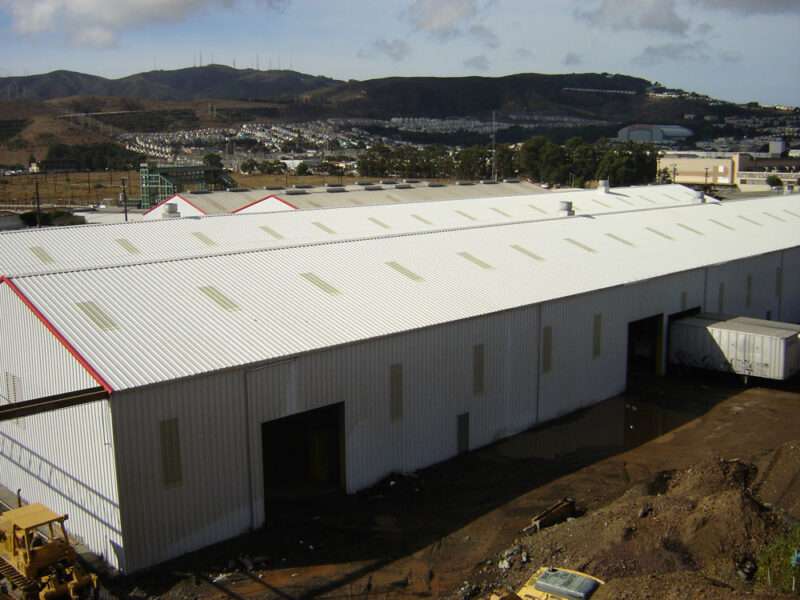
Conclusion: Is A Steel Roof Right for You?
This type of project is a significant decision with lasting benefits. It’s ideal for businesses who prioritize durability and energy efficiency.
Consider the initial expense and your long-term goals. If longevity, minimal maintenance, and environmental impact matter to you, a metal roof might be perfect. Assess your needs, budget, and property style to decide. Choosing a metal roof replacement is an investment in your businesses future.